

Guide to Choosing Your First Protection Amulet
A first protection amulet can be a practical spiritual tool: something you wear, carry, or keep at home to reinforce boundaries, steady your energy, and help you feel less “open” to unwanted influence. People come to protection charms for many reasons: stressful workplaces, travel, sleep issues, empathic overload, spiritual practice, or simply the desire to feel anchored. This amulet guide walks through how protective charms work (in a traditional, non-fear-based way), how to approach choosing amulet styles, and how to care for your first amulet so it stays effective and meaningful.
Protective magic is not about living in constant defense
A well-chosen protective charm is more like good hygiene: it supports your baseline. And as with any tool, the best results come from clarity, consistency, and a method you can actually maintain.
Amulet vs. talisman: What's the difference?
In everyday conversation, “amulet” and “talisman” are often used interchangeably, but many traditions draw a helpful distinction:
- Protection amulet: Primarily defensive. It’s meant to ward, repel, absorb, deflect, or “cool” harmful influences. Think of it as shielding and boundary-setting.
- Protection talisman: A talisman can be protective too, but it often does so by strengthening a desired condition, confidence, authority, good fortune, or clarity, so you’re less vulnerable. In ceremonial traditions, a talisman is frequently made at a specific time and charged toward a clear intention.
Both options are valid for a first amulet. If your goal is simple: “Help me feel safe and stable,” a straightforward protective charm can be perfect. If you want protection through empowerment, like steady focus, courage, or calm, a protection talisman may fit better.
What protection charms actually do (and what they don’t)
Protection charms tend to work on multiple levels at once: psychological, energetic, and ritual. Even if you’re not sure what you believe, it can help to understand the common mechanisms practitioners describe.
Common ways protective charms are used
- Boundary reinforcement: Wearing a protective charm can remind you to keep your energy “in,” limit oversharing, and say no sooner.
- Energy filtering: Many people use protection amulets to reduce the feeling of being drained or flooded in crowded spaces.
- Focused intention: A protection talisman becomes a physical anchor for a repeated practice: prayer, mantra, visualization, or a short daily charging routine.
- Ritual authority: In grimoire traditions, a consecrated object symbolizes spiritual permission, an established relationship with the powers you call on.
What a protection amulet won’t replace
- Common-sense safety: A charm for protection complements practical choices; it doesn’t substitute for them.
- Medical or mental health care: If anxiety, trauma symptoms, or sleep disruptions are intense or persistent, consider professional support alongside spiritual practice.
- Basic energetic boundaries: If you chronically overextend yourself, no amulet can fully “fix” that. But it can help you build the habit of stopping earlier.
Step 1: Get clear about the kind of protection you need
Before choosing amulet options, define what you want protection from in plain language. Vague fear leads to vague results. Clear intention leads to a clearer match.
Helpful prompts
- Where is the pressure coming from? Work, family, travel, spiritual practice, social media, crowded spaces, nightmares.
- What do you want instead? Calm, privacy, confidence, restful sleep, steadiness, clear thinking, and stronger boundaries?
- How will you use it? Wear it daily, carry it in a bag, keep it at your bedside, place it near the door, or use it only during a ritual?
This quick clarity check also helps you decide between wearable jewelry, a pocket charm, a home protection talisman, or a ritual vessel.
Step 2: Choose a tradition or “language” you resonate with
Protection charms exist across cultures and systems. Your first amulet can be simple, but it’s better if the symbols are meaningful to you.
Folk-style protective charms
Folk protection often emphasizes simple methods: a blessed item, a sachet, a symbol against the evil eye, a household ward, or a charm fixed to a doorway. These can be excellent as a first amulet because they’re straightforward and easy to maintain.
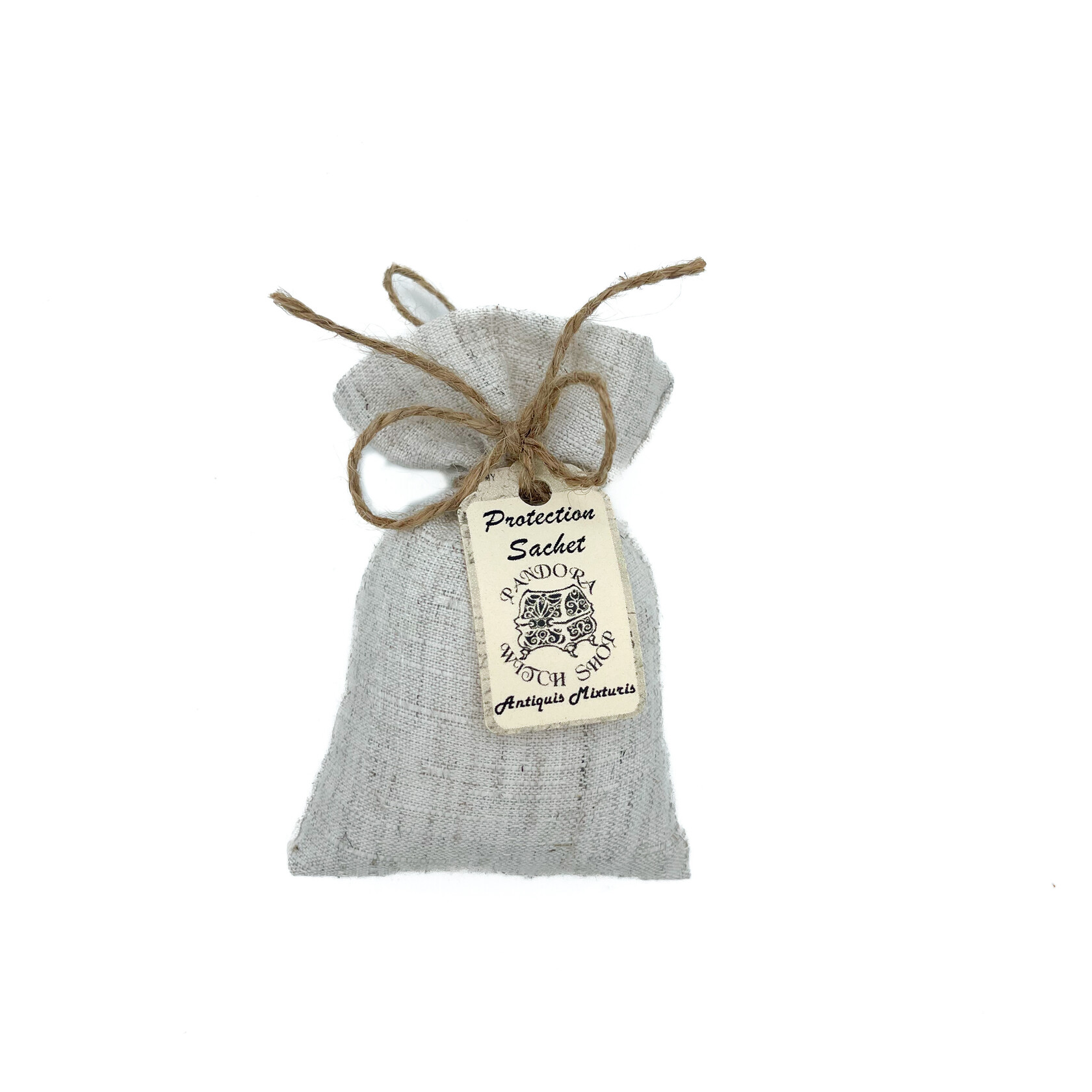
If you prefer a ready-to-use option that feels grounded and practical, a charm sachet can be a beneficial entry point. For example, a Protection Charm Sachet is typically carried or placed in a space as a quiet, ongoing layer of support.
Planetary talisman traditions
A planetary talisman is usually created or consecrated to align with a planetary force (such as Saturn for boundaries, Mars for courage, or Jupiter for protection through expansion and authority). In classical and Renaissance magic, timing, materials, and inscriptions matter. Planetary talismans can be powerful, but they reward study and a careful approach—especially for a first amulet.
If you’re drawn to these systems, start by learning the basics (planetary correspondences, timing, and ethical framing) before attempting complex elections. You can also begin with a simple devotional approach: select a talismanic image that expresses your intention and work with it consistently rather than chasing “perfect” astrology.
Grimoire and seal-based protection talismans
Some practitioners work with seals (for example, Solomonic or related traditions) and consecrate tools to structure ritual space. These are often not “wearable daily jewelry” but dedicated ritual objects. If you’re establishing a protective practice for your home or altar, a ritual vessel may be part of a broader system of cleansing, prayer, and formal consecration.
For those exploring that route, practitioners typically approach a dedicated container, such as the Secret Seal of Solomon Brass Vessel with Box, as a serious ritual tool rather than a casual charm.
Black Pullet talisman work
The black pullet talisman tradition is often discussed in the context of old grimoire-style charms and talismans, items associated with protection, secrecy, and influence. If the symbolism speaks to you, treat it with the same respect you would any spirit-adjacent or grimoire-based method: be clear on intent, keep boundaries, and avoid using fear as fuel.
If you’d like to explore this style specifically, you can browse the Black Pullet collection as a way to learn the look and language of these talismans.
Step 3: Decide between handmade, historical, or “system-based” amulets
When choosing amulet types, consider how you relate to craftsmanship and lineage.
- Handmade protective charms: Often feel personal and intimate, especially if you connect with the maker’s method or materials. Many people find a handmade charm easiest to bond with as a first amulet. (See Handmade Magickal Charm Amulets.)
- Historical or grimoire-inspired talismans: These may follow a recognizable template (seals, pentacles, inscriptions). They can be effective when treated with the respect of a devotional object rather than a fashion accessory.
- System-based pendants: Some talisman lines draw from specific magical texts and correspondences. If you like structure and study, this approach can be a strong match. (For example,Picatrix Pendants.)
Step 4: Pay attention to your “yes” without ignoring red flags
People often describe a “pull” toward a specific protection amulet: a sense of calm, recognition, or steadiness. That matters. Your nervous system is part of your divination toolkit. But it helps to differentiate between grounded attraction and impulse.
Signs an amulet may be a good first fit
- You feel calmer when you hold or look at it.
- The symbolism is understandable to you (or you’re excited to learn it).
- You can picture using it consistently.
- It supports the specific kind of protection you identified (sleep, travel, boundaries, home, etc.).
Red flags (practical and spiritual)
- Fear-based marketing: Anything that claims you are cursed without evidence or insists only one product can “save” you.
- Overly intense first step: If you’re new, you may not want to start with the most confrontational, heavy, or complicated system.
- Unclear sourcing or purpose: If you don’t know what a symbol means, ask or research. Mystery can be captivating, but confusion is not the same as depth.
Common forms of charms for protection (and how to use them)
Below are practical formats for protection charms, with notes for beginners.
Wearable protection amulets (pendants, rings, bracelets)
Wearable items are popular because they travel with you. They’re helpful for social situations, commuting, or work. The main maintenance issue is energetic “build-up”—they may need more frequent cleansing because they’re exposed to more environments.
Pocket protective charm (stone, coin, small charm)
Pocket charms are discreet. They can be ideal if you can’t wear jewelry at work or prefer privacy. Many people pair a pocket charm with a short touch-based practice: hold it for three breaths before entering a stressful space.
Sachets and bundles
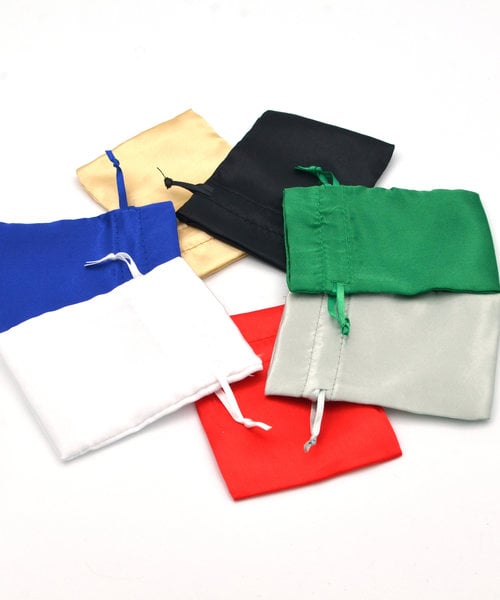
Sachets are a classic protective charm style because they combine multiple ingredients into a single working. They can be carried, placed near doors, or kept under a pillow depending on their purpose. If you’re new and want something immediately usable, a sachet can be one of the easiest starting points.
Home wards and doorway talismans
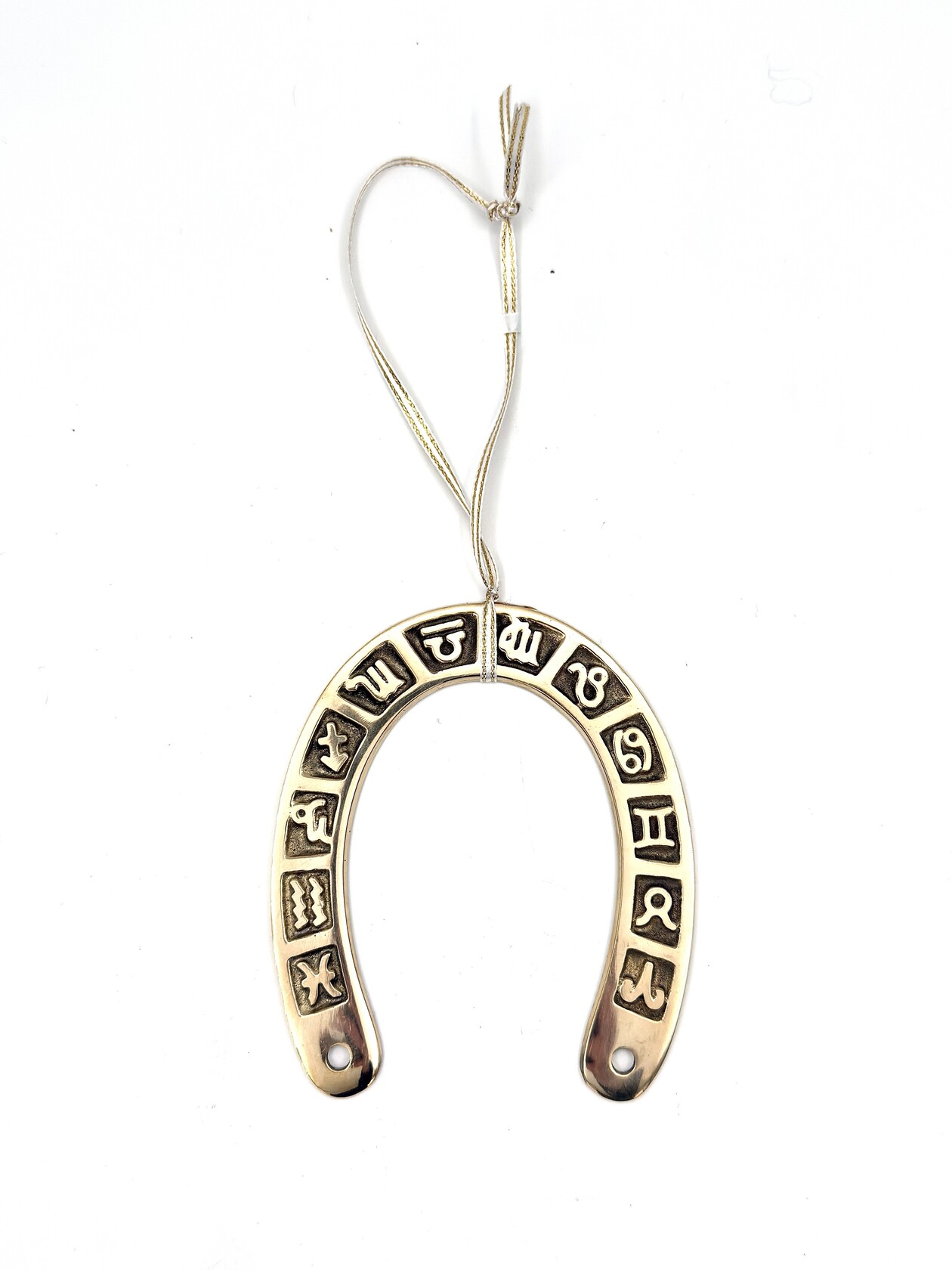
Some protection talismans are meant to be fixed in place: near entryways, on windowsills, or above a bed. These often create a “container” effect for the home. A traditional example of this style is a protective horseshoe; if that symbolism resonates with you, the Horseshoe with Zodiac Signs for Protection is a clear, home-focused option.
How to cleanse and dedicate your first amulet
Most protection amulets benefit from two steps: cleansing (removing what you don’t want) and dedication (setting what you do want). You don’t need an elaborate ceremony. You do need consistency and sincerity.
Simple cleansing methods (choose one)
- Smoke cleansing: Pass the item through incense smoke briefly while focusing on release. (Avoid if smoke is a problem for your space or health.)
- Salt proximity: Place the amulet near a bowl of salt overnight (rather than directly in salt if the material could be damaged).
- Sound: A bell, chime, or singing bowl can be effective and gentle.
- Moonlight: Place near a window overnight for a slow reset. (Be mindful of fading if it’s delicate.)
If you know the material, use common sense; some metals tarnish, some stones are water-sensitive, and some finishes don’t like salt. When in doubt, sound or smoke is usually safer than soaking.
A beginner-friendly dedication (2–3 minutes)
- Hold the amulet and take three slow breaths.
- Name your intention in one sentence. Example: “You are my protective charm. You help me keep my energy close, calm, and clear at work.”
- Define the boundary: “You work for my well-being and harm no one.”
- Seal it by touching it to your forehead or heart and visualizing a steady light around you.
That’s enough. You can repeat the process monthly or whenever the charm feels “quiet.”
How to tell if your protection amulet is working
Beginners often expect fireworks. More commonly, protection charms show their effects as subtle shifts:
- You feel less drained after social contact.
- You recover faster from stressful encounters.
- You notice you’re saying no more easily.
- Your sleep feels calmer or your dreams feel less intrusive.
- You feel “with yourself” in public.
It can help to track one or two simple metrics for two weeks: sleep quality, mood after work, and how often you ruminate. If there’s improvement, your first amulet is doing its job.
When to retire, rest, or replace protective charms
Some protection amulets are long-term companions; others are situational. Consider resting or replacing a charm if:
- It feels heavy or unpleasant to hold even after cleansing.
- It breaks in a way that feels like a “completion” rather than simple wear-and-tear.
- Your life circumstances change and the intention no longer fits.
If an item breaks, it doesn’t necessarily mean it’s a negative sign. Occasionally it’s just physics. If you do feel it has “done its work,” thank it, cleanse it, and either bury natural components respectfully, store it away, or recycle materials appropriately.
Beginner mistakes to avoid
- Buying too many at once: For a first amulet, one well-used protective charm teaches you more than a drawer full of unused options.
- Skipping a relationship: Protection talismans work best when you actually interact with them, touch, pray, breathe, or at least acknowledge them regularly.
- Assuming stronger is always better: The “best” protection is the kind you can sustain without becoming anxious or obsessive.
- Using it as an excuse to ignore boundaries: If a situation is consistently harmful, your charm for protection is not meant to keep you there indefinitely.
If you want to go deeper, learn how to create a talisman
Many practitioners eventually want to move from choosing amulet options to making their own. Learning how to create a talisman doesn’t have to start with complex astrology or elaborate ritual. A beginner path might look like this:
- Start with one intention (clear, specific, and ethical).
- Choose a base (a pendant, coin, paper talisman carried in a pouch, or a small piece of metal).
- Add correspondences you understand (a color, herb, symbol, or prayer aligned to protection).
- Cleanse and consecrate using a simple, repeatable method.
- Test and refine over time by journaling outcomes.
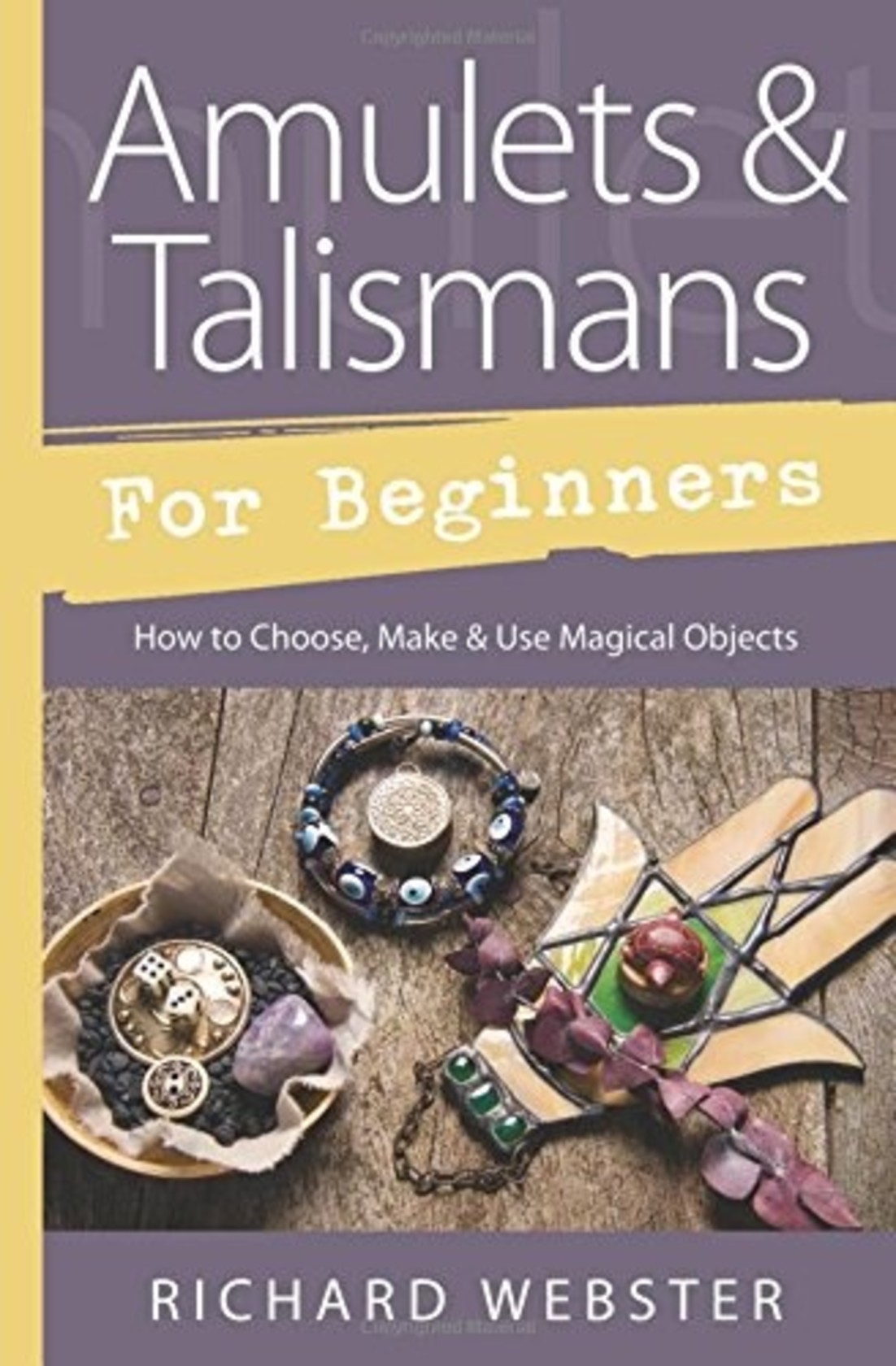
If you prefer a structured introduction that covers both theory and practice, Amulets & Talismans for Beginners: How to Choose, Make & Use Magical Objects is a solid reference for understanding foundational methods without turning your first attempt into an overwhelming project.
 Putting it all together: a simple way to choose your first amulet
If you want a quick summary, use this three-part filter:
- Function: What kind of protection do you need (boundaries, sleep, travel, home, emotional steadiness)?
- Form: Will you wear it, carry it, or place it in your space?
- Fit: Do you feel a calm, steady “yes,” and can you maintain a simple cleansing and dedication routine?
Your first protection amulet doesn’t need to be perfect. It needs to be usable. When you choose one thoughtfully, cleanse it, dedicate it clearly, and work with it consistently, protection charms become less about fear and more about confidence and your ability to move through the world feeling grounded, private, and supported.
If you’d like to explore different styles in one place, you can browse the Magickal Amulets & Talismans collection to compare formats, wearable pieces, home wards, and tradition-specific protection talismans while keeping your intention and comfort level front and center.