

Evil Eye Jewelry Meaning: How to Wear It for Protection

The evil eye is one of the oldest protective symbols still worn today, a small eye-shaped charm meant to watch for harm before it reaches you. If you've seen one on a necklace or bracelet and wondered what it actually does, here's what the symbol means and how to wear it well.

Photo by engin akyurt on Unsplash
In Brief
- The evil eye protects against a curse of envy or ill will believed to be cast through a jealous glance
- The tradition is over 5,000 years old, spanning Mesopotamia, Greece, the Middle East and beyond
- Blue is the traditional color, though other colors carry their own associations
- It can be worn alongside other protective jewelry, like a pentagram, without conflict
- A cracked or broken charm is traditionally seen as a sign it did its job, not bad luck
What Does the Evil Eye Symbol Mean?
The evil eye refers to a belief, found across many cultures, that a look given out of envy or ill will can bring misfortune to the person it lands on. The eye-shaped charm, usually blue and white concentric circles, is worn or displayed as a kind of watchful shield that deflects that glance back toward its source.
The belief predates recorded history in some regions, showing up in ancient Mesopotamian, Greek, Roman and Middle Eastern artifacts. You'll also hear it called a nazar, from the Arabic word for sight or glance.
Where the Tradition Comes From
Protective eye charms appear in archaeological finds thousands of years old, long before the symbol became a mainstream jewelry trend. Historically, families hung an eye charm near a front door, pinned one to a baby's clothing, or hung one in a car, not just worn it as jewelry.
Each culture shaped the belief a little differently, but the throughline is the same: a watchful eye to counter an unwanted one.
What Do the Colors Mean?
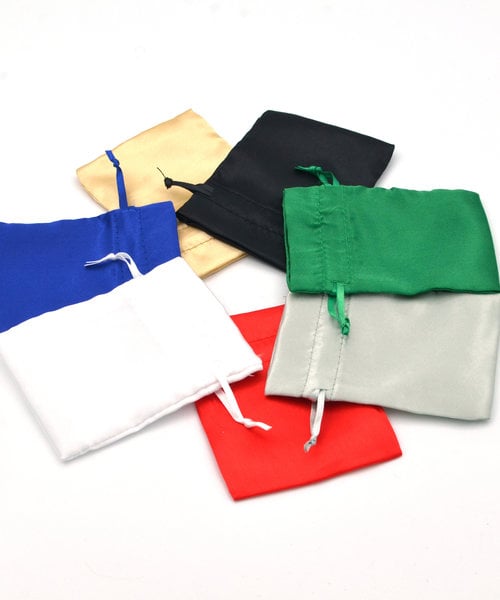
Blue is the color most people picture, and it's the traditional choice, associated with general protection and calm. Jewelry brands have since extended the palette, with other colors picking up their own meanings:
| Color | Common Association |
|---|---|
| Blue | Protection, peace, the traditional choice |
| Red | Courage, energy, strength |
| Green | Growth, balance, success |
| Yellow or Gold | Clarity, health, confidence |
| White | Purity, fresh starts |
None of these color meanings are fixed rules. If a particular color speaks to you, that's reason enough to choose it.
How to Wear Evil Eye Jewelry for Protection
A few practical habits make the symbol more than decorative for people who wear it with intention.

Photo by Far Chinberdiev on Unsplash
Wear it where you'll see it. A necklace keeps the charm near the chest and in your line of sight; a bracelet keeps it visible on the wrist throughout the day. Either works, it's a matter of preference.
One is enough, but layering is fine. There's no rule requiring a single piece. Many people stack an evil eye bracelet with others, or layer a pendant with a second necklace, without diluting the meaning.

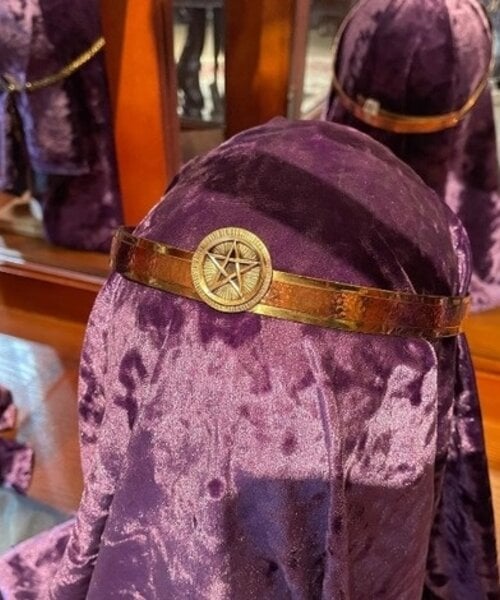
It pairs naturally with other protective symbols. The evil eye is often worn alongside other protective jewelry, like a pentagram, without any conflict between the two. Many practitioners build a small collection of protective pieces over time rather than relying on just one.
Gifting it is traditional, buying it for yourself is fine too. In some cultures, an evil eye is traditionally given rather than bought for oneself. That custom isn't universal, and plenty of people choose one for themselves as a form of self-care with no issue.
If it cracks or breaks, that's not a bad sign. Tradition holds that a damaged evil eye charm has absorbed the negative energy it was meant to deflect. Replacing it, rather than worrying over it, is the usual response.
Can Christians Wear an Evil Eye?
This comes up often enough that it's worth a direct answer: there's no single rule. Some Christian traditions view the evil eye symbol as incompatible with their faith, since it centers on a folk belief rather than religious doctrine. Others see no conflict at all, treating it as a cultural symbol rather than a spiritual claim. If this matters to you, it's worth checking with your own faith community, since views vary widely even within the same denomination.
Caring for Your Evil Eye Jewelry
Many of the same cleansing practices used for other protective jewelry apply here too. If you're building out a small collection of protective pieces, like a pentagram or an evil eye charm, our guide to cleansing and charging witchcraft jewelry walks through the full process.
Frequently Asked Questions
What does it mean if evil eye jewelry breaks?
Tradition holds that a cracked or broken charm has absorbed negative energy meant for the wearer. It's generally seen as the charm doing its job, not as a bad omen, and most people simply replace it.
What is the meaning of the Turkish eye?
The Turkish eye, or nazar boncuk, is the blue and white glass charm most associated with the evil eye tradition today. It's worn or displayed the same way as other evil eye charms, as protection against an envious glance.
Is it bad luck to buy evil eye jewelry for yourself?
No. While gifting an evil eye is traditional in some cultures, buying one for yourself is common and carries no negative meaning. Many people choose their own piece as an act of self-care.
Can you wear an evil eye and a pentagram together?
Yes. Both are protective symbols from different traditions, and wearing them together is common for people who collect protective jewelry rather than sticking to just one piece.
The evil eye's reputation as a protective symbol goes back thousands of years, and wearing one today, alone or alongside other protective pieces like a pentagram, carries the same intention it always has. Browse our jewelry collection for pieces to start or add to your collection, and see the next post in this series, How to Cleanse and Charge Your Witchcraft Jewelry, for how to keep them charged.