

What Is a Witch Altar? Meaning, Tools & Sacred Space Basics
A witch altar is a dedicated, physical space set aside for ritual, spellwork, and connecting with the energies a practitioner works with. It can be a shelf, a tray, a corner of a dresser, or a full ceremonial table. What makes it an altar isn't its size or its price tag. It's the intention behind it.
If you're new to witchcraft, or you've been practicing quietly for a while and are ready to give it a proper home, understanding what an altar is and why witches keep one is the first real step. Everything else, from tools to setup, builds on that foundation.
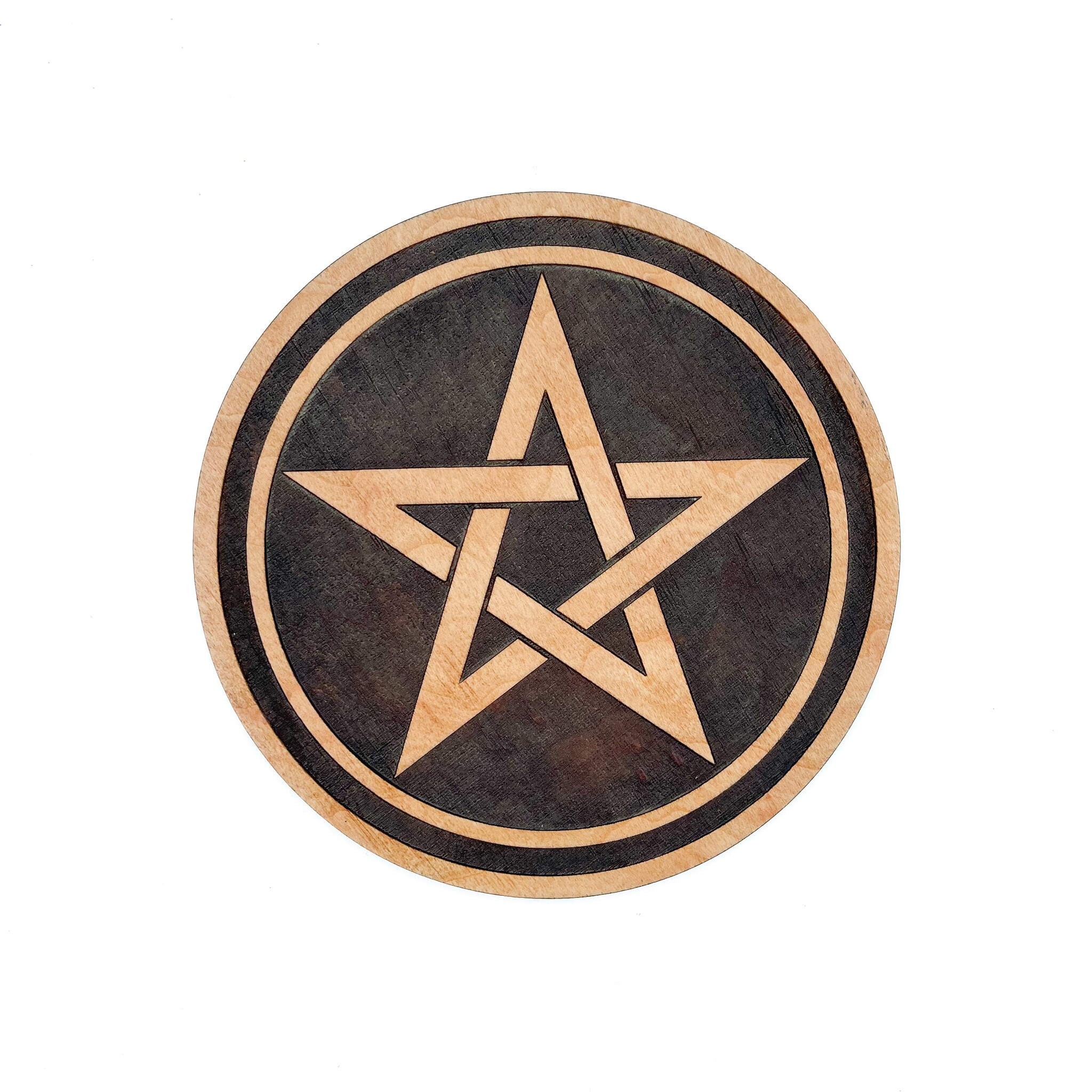
What Makes a Space a Witch Altar
An altar is simply a surface set apart from everyday life. The kitchen table stops being an altar the moment dinner gets served on it. A small shelf in your closet, a windowsill, or a dedicated tray you tuck away after use can all function as one, as long as the space is treated with consistency and intention.
There's no single correct look. Some witches keep an elaborate ceremonial setup with an athame, chalice, and pentacle laid out by tradition. Others keep a candle, a stone, and a photograph. Both are altars. The craft doesn't require uniformity, and no two practitioners' spaces should look identical, since an altar reflects the person using it as much as the tradition they follow.
Why Witches Keep an Altar
An altar gives ritual and spellwork a fixed point to return to. Instead of scattering tools around the house or reassembling a setup from scratch each time, a witch works from the same space repeatedly, which builds familiarity and, many practitioners believe, builds energy over time.
The altar also marks a boundary between ordinary time and ritual time. Standing in front of it, lighting a candle, or laying out tools is a physical cue that shifts focus from daily tasks to intentional work. This idea isn't unique to any one tradition. Formal altar use in modern witchcraft largely traces back to Wicca, which Gerald Gardner introduced to the public in the 1950s with a structured ritual practice built around a central altar and elemental tools. Plenty of witches today work outside Wicca entirely, but the altar as a focal point carried over into most branches of modern practice.
What Usually Goes On a Witch Altar
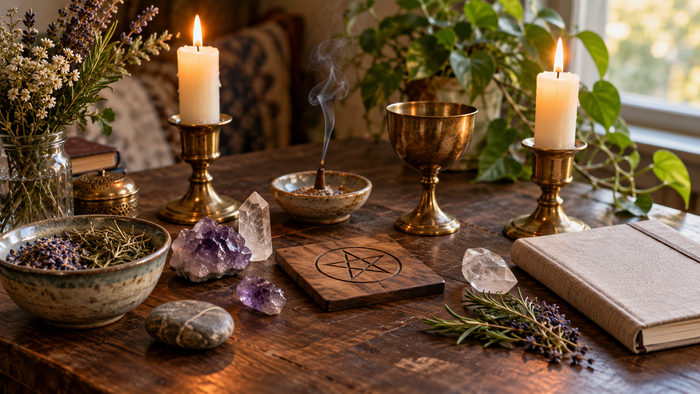
Altars vary widely, but many draw on the four classical elements as an organizing principle. A tool or item often represents each one:
Earth shows up as a pentacle, a bowl of salt, or crystals, usually placed at the center or north side of the altar for grounding.
Air is represented by incense, a bell, or a wand, tied to intention and communication.
Fire is almost always a candle, standing in for transformation and will.
Water appears as a chalice or small dish, often holding actual water or moon water, linked to intuition and emotion.
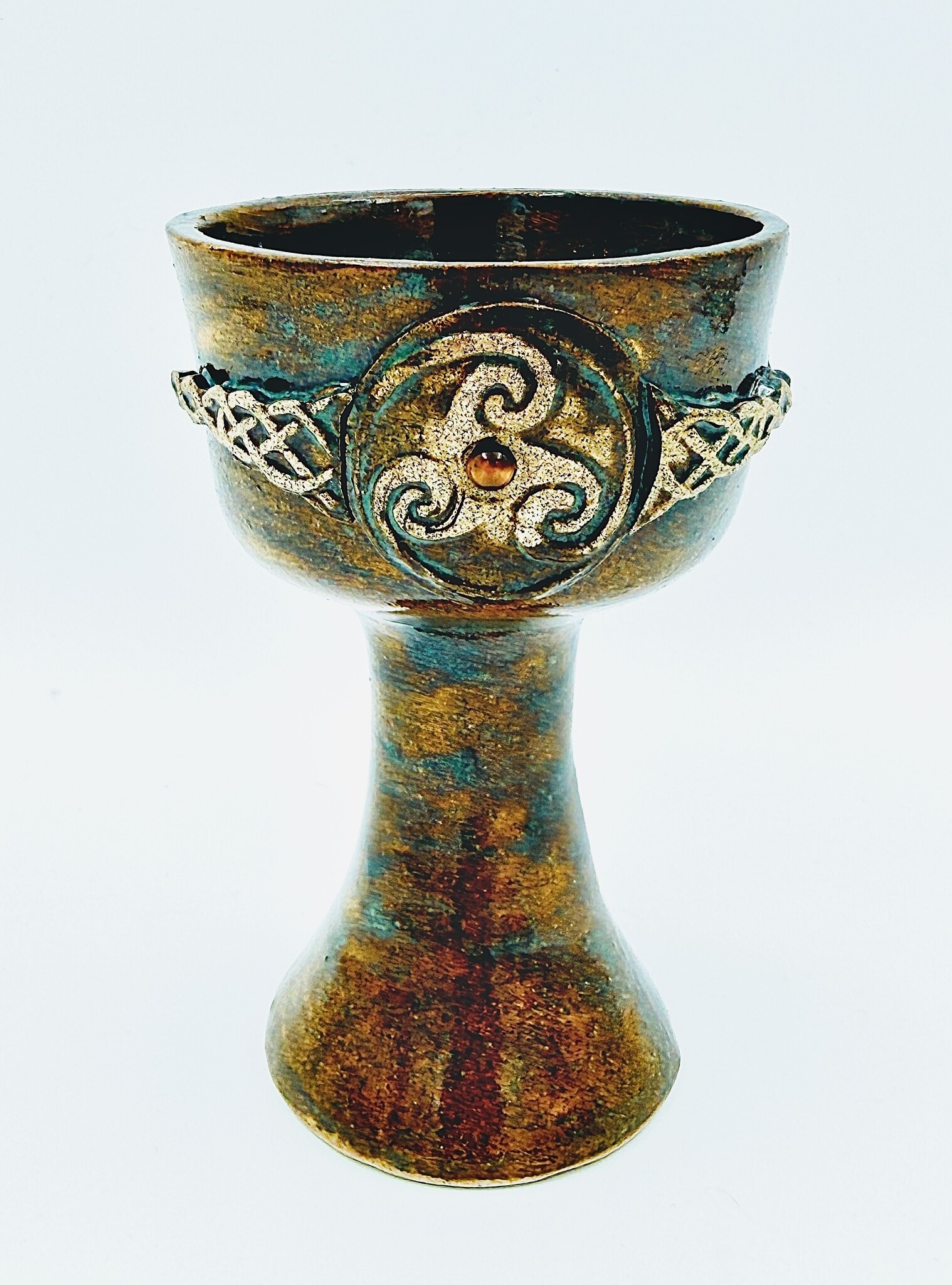
Beyond the elements, many altars hold personal items: a journal or grimoire for recording spellwork, tarot or divination tools, statues or images of deities a practitioner honors, and sentimental objects like stones or photographs tied to ancestors. None of this is mandatory. A witch altar can be as sparse as a single candle or as layered as a full ceremonial spread. For a closer look at how these pieces come together on the altar itself, our guide to authentic Salem witchcraft tools walks through the essentials most practitioners reach for first, and our altar tools collection covers everything from pentacles to chalices in one place.
Common Types of Witch Altars
Not every altar looks the same, and most witches end up with more than one over time.
A permanent altar stays set up in one place, often in a bedroom, spare room, or dedicated corner, and holds the practitioner's core tools long-term.
A portable altar fits in a box, tin, or small tray and travels with someone who doesn't have a fixed space, whether due to shared housing, apartment living, or simply wanting a setup they can pack away.
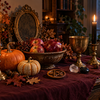
A seasonal altar shifts with the Wheel of the Year, changing cloth colors, candles, and decor to mark sabbats like Samhain or the autumn equinox. If you want to build one for the season ahead, our guide to setting up a Samhain altar covers the colors and symbols specific to that sabbat.
An ancestor altar is dedicated specifically to honoring family or spiritual lineage, often holding photographs, mementos, or items connected to people who've passed.
Many practitioners keep two or three of these at once. There's no rule limiting a witch to a single altar.
Where to Keep Your Altar
Privacy and stability matter more than square footage. A flat, undisturbed surface works better than a large but high-traffic one. Some witches use a closet shelf or the inside of a cabinet specifically because it stays out of view and doesn't get bumped or rearranged.
If you share a living space and can't dedicate a visible surface to your practice, a portable altar solves that problem without asking you to compromise on privacy. What matters is that the space feels consistent and respected, not that it's on display.
Your Altar Will Change, and That's Normal
A witch altar isn't a one-time project. It shifts as your practice deepens, as the seasons turn, and as your interests change. Tools get added, others get retired, and the layout evolves. If you're setting one up for the first time and want a full walkthrough of the process itself, our beginner's guide to building a witch altar covers the setup step by step, from choosing your space to consecrating your first tools.
Frequently Asked Questions
What should be on a witch altar?
There's no fixed list, but most altars include something representing each of the four elements, along with personal tools like a journal, candles, and any items tied to deities or ancestors a practitioner works with.
Does a witch altar need to be blessed or consecrated?
Not necessarily. Many witches choose to consecrate their altar as a way of dedicating the space to their practice, but it isn't a requirement for the altar to function.
Can I have more than one altar?
Yes. It's common to keep a permanent altar alongside a portable or seasonal one, especially around sabbats.
Where should a witch's altar be?
Anywhere private, stable, and undisturbed. A bedroom shelf, a closet, or a dedicated tray all work, as long as the space is respected consistently.
Ready to start building your own space? Browse our altar tools collection for pentacles, chalices, and everything else your practice calls for.