
Litha Ritual Guide: Summer Solstice Spells, Candles & Sacred Fire Magick
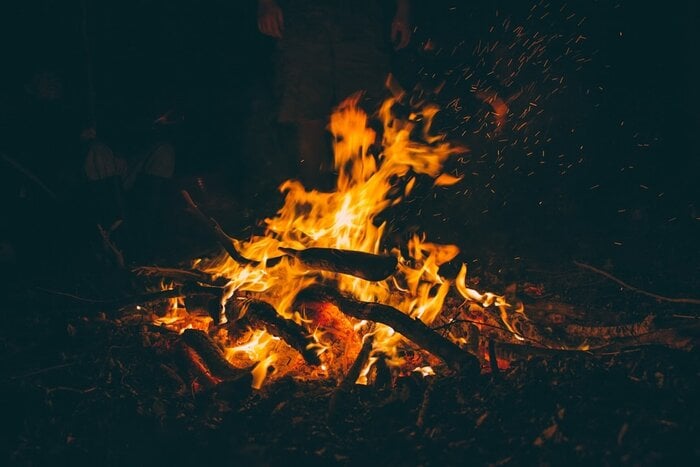
Litha falls on the summer solstice, around June 20–21, when the sun is at its peak and the day is the longest of the year. In witchcraft, it's one of the eight Sabbats on the Wheel of the Year and one of the four solar festivals. Fire and candle magick sit at the center of Litha practice; the solstice provides the most potent solar energy of the year, and fire rituals channel that energy directly into your working.
This guide covers what Litha means, which candle colors align with its energy, how to build a simple but effective solstice candle ritual, and specific spells for the themes this Sabbat calls forward.
What Is Litha?
Litha is the Pagan and Wiccan name for the summer solstice Sabbat. It marks the peak of the solar year: the longest day, the shortest night, and the sun at full strength. In many Wiccan traditions it honors the Oak King at the apex of his reign before the Holly King begins his rise toward Yule.
It is also a moment of paradox in the Wheel. The sun is at its most powerful, but from this day onward the days shorten. Midsummer is simultaneously the apex of light and the first turn toward darkness. That balance — fire and shadow, fullness and release — shapes the magickal work of the season.
The Role of Fire and Candles in Litha
Fire is central to every historical midsummer tradition. European folk practices included rolling burning wheels downhill into rivers, leaping over bonfires for luck and purification, and lighting large communal fires to honor the sun. In ceremonial magick, Litha corresponds to Fire as the dominant element and to the Sun as the ruling celestial force.
For practitioners who cannot build a bonfire, candles serve as a symbolic substitute. A lit candle on Midsummer is a solar invocation in miniature — the flame representing the sun's fire and your intention alive within it.

Litha Candle Colors and Their Correspondences
Litha solar energy is best channeled through specific colors. The core palette:
Gold: The primary Litha color. Gold corresponds to solar energy, divine masculine power, and the Sun God at his peak. Use gold candles for workings around success, ambition, personal power, and solar deity invocations. Our dressed spell candles, designed for solar and fire workings, are particularly effective on the solstice, when the sun's energy is at its peak.
Yellow: Joy, creativity, and intellectual clarity. Yellow is the everyday expression of solar energy, lighter than gold but still fire-aligned. Good for spells of creativity, communication, and mental focus.
Orange: Ambition, vitality, and fast-moving energy. Orange carries both fire and sun correspondence and works well for abundance and career workings done on Litha.
White: Purity and the Goddess. In traditions that honor both God and Goddess at Litha, white represents the solar goddess, the light, and spiritual clarity. White also serves as a universal substitute for any color you don't have on hand.
Green: Abundance and the peak of the growing season. Litha is midsummer, the fullness of nature before the turn. Green candles tie your work to that abundance. Good for prosperity and growth in any area of your life.
For the complete color correspondence system, including planetary days and pairing with herbs, see our Candle Color Meanings in Witchcraft: A Complete Guide for Spellwork.
A Simple Litha Candle Ritual
This is a self-contained work suitable for a solstice alone or as the fire element of a larger altar ritual.
What you need: A gold or yellow candle, a solar or fire-aligned oil for anointing, frankincense or crushed bay leaf, something to carve with, a fireproof holder.
The work:
Carve your primary intention for the coming half of the year into the wax. Litha opens the outward-building half of the year; name what you want to grow or call in before the wheel turns to Samhain.
Anoint the candle from base to wick with a solar or fire-aligned magickal oil, drawing energy upward toward the flame.
Roll lightly in frankincense for solar invocation or crushed bay leaf for success and vision. Keep the top inch near the wick clear.
Light the candle. Speak your intention out loud, once and clearly. Sit with the flame until the working feels complete. Don't rush it.
For a full breakdown of how to dress a candle — oil direction, herb application, and carving technique — see How to Dress a Spell Candle: Oils, Herbs & Intention.
Timing matters on Litha. Dawn, noon, and dusk are the solar hours. Noon on the solstice is the single most potent window of the year for solar fire magick.
Litha Spells for the Season
Abundance: A green candle dressed with basil and a prosperity oil, lit at noon on the solstice while holding a clear intention for what you want to grow in the coming months.
Courage and personal power: A gold or red candle dressed with a solar or strength oil and cinnamon, lit at sunrise. Cinnamon corresponds to fire, speed, and amplification; it accelerates whatever intention it's paired with.
Protection: A white candle dressed with rosemary and a protection oil, lit at dusk on the solstice. Dusk on Litha marks the first turn toward the darker half of the year, making it a natural moment for protection workings that hold through the coming months.
Prophetic dream ritual (Midsummer Eve tradition): Place seven flowers gathered on the solstice under your pillow before sleep. Light a purple or silver candle on the altar. Mugwort or a vision oil anointed on the temples amplifies dreamwork.

Building a Litha Altar
- Colors: Gold, yellow, orange, green, white
- Symbols: Sun wheel, oak leaves, flower crown, antlers or stag imagery, beeswax candles
- Herbs: St. John's Wort, lavender, chamomile, rosemary, frankincense, bay leaf
- Crystals: Citrine, carnelian, sunstone, tiger's eye
- Offerings: Honey, mead, summer berries, sunflowers
Fire should be present in some form. A central pillar candle in gold or white anchors the altar to the solar theme. Arrange herbs and flowers around the base, place offerings at the edges, and leave space at the center for your working candle.
FAQ
What is Litha in witchcraft?
Litha is the Pagan name for the summer solstice Sabbat, one of eight Sabbats on the Wheel of the Year. It falls around June 20–21 and honors the sun at peak power. Fire, abundance, and solar deity work are its core themes.
What are the pagan rituals for summer solstice?
Common Litha practices include lighting bonfires or candles, building a sun altar, harvesting herbs at their peak potency, leaving offerings for the fae, solar charging of water or crystals, and spellwork around abundance, protection, and personal power.
What colors do you wear for the summer solstice?
Gold, yellow, orange, white, and green are the traditional Litha colors. Gold and yellow honor the sun. Green connects to midsummer abundance. White is suitable for goddess invocations and serves as a neutral solar colour.
What candles should I use for Litha?
Gold and yellow are the core choices for solar fire work. Orange for energy and vitality. Green for abundance. White as a universal solar substitute. Pre-dressed solar candles already carry the oil and herb correspondences for this season; browse our dressed spell candles for options suited to midsummer workings.
Is it too late to do Litha rituals after the solstice?
No. Midsummer energy holds through the days surrounding the solstice. For most practitioners, working a few days before or after the solstice is still within the Litha window.
The solstice window is short. Browse our dressed spell candles to find those dressed for solar and fire workings, ready to light.