
The Wheel of the Year: A Complete Guide to the Eight Pagan Sabbats
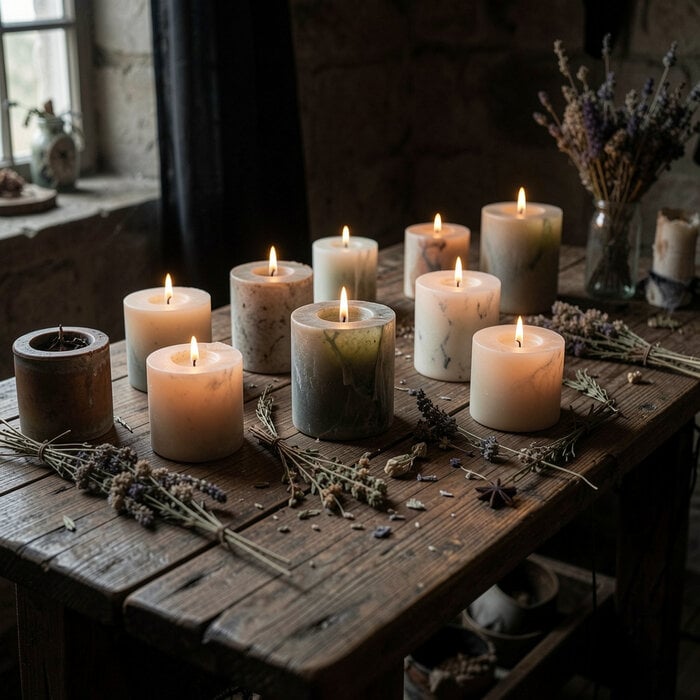
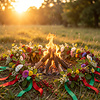
The Wheel of the Year is the cycle of eight seasonal festivals, called Sabbats, followed by Wiccans, Pagans, and many modern witches to mark the changing seasons. Four Sabbats fall on the solstices and equinoxes. The other four sit at the midpoints between them, rooted in older Celtic fire festivals. Together they form a continuous calendar that moves from the dark stillness of Yule to the fire of Beltane and back again, giving practitioners a rhythm to build ritual, spellwork, and altar practice around all year long.
Whether you were raised in a coven, found your practice through books, or just picked up a deck of tarot cards in Salem last October, the Wheel gives structure to a solitary or group practice. It answers a simple question witches ask themselves constantly: what season am I in, and what does that season ask of me?
The Eight Sabbats at a Glance
| Sabbat | Date (Northern Hemisphere) | Type | Core Theme |
|---|---|---|---|
| Winter Solstice (Yule) | December 20 to 23 | Solar (Lesser Sabbat) | Rebirth of the sun, hope, rest |
| Candlemas (Imbolc) | February 1 to 2 | Fire (Greater Sabbat) | Awakening, purification, first light |
| Spring Equinox (Ostara) | March 19 to 21 | Solar (Lesser Sabbat) | Balance, renewal, fertility |
| Beltane | April 30 to May 1 | Fire (Greater Sabbat) | Passion, protection, abundance |
| Summer Solstice | June 20 to 22 | Solar (Lesser Sabbat) | Vitality, solar power, gratitude |
| Lughnasadh (Lammas) | August 1 | Fire (Greater Sabbat) | First harvest, craft, community |
| Autumn Equinox | September 21 to 24 | Solar (Lesser Sabbat) | Balance, second harvest, release |
| Halloween (Samhain) | October 31 to November 1 | Fire (Greater Sabbat) | Ancestors, endings, the thinning veil |
The four solar Sabbats, sometimes called the Lesser Sabbats, mark the solstices and equinoxes and shift slightly each year based on the sun's actual position. The four fire Sabbats, or Greater Sabbats, are the older cross-quarter days: Halloween/Samhain, Candlemas/Imbolc, Beltane, and Lammas/Lughnasadh. These trace back to Gaelic agricultural festivals and tend to fall on fixed calendar dates.
The Eight Sabbats, Season by Season
Winter Solstice/Yule: The Return of the Light
Yule marks the winter solstice, the longest night of the year. Traditions center on candlelight, evergreen boughs, and quiet reflection as the sun begins its slow return. A gold or white candle suits Yule work well; if you want to match a candle's color to its purpose more precisely, our guide to candle color meanings in witchcraft breaks down which hues carry which intentions.
Candlemas/Imbolc: The First Stirring of Spring
Imbolc falls halfway between the winter solstice and spring equinox and honors Brigid, goddess of the hearth, healing, and poetry. It is a festival of small beginnings: lighting a single candle, cleaning an altar, planting the first seed of an intention for the year ahead.
Spring Equinox/Ostara: Balance and New Growth
At the spring equinox, day and night sit in equal measure before the light takes over. Ostara rituals lean into fertility symbolism: eggs, seeds, fresh greenery, and intentions planted alongside the literal garden.
Beltane: Fire, Fertility, and Protection
Beltane arrives on May 1st with bonfires, flower crowns, and some of the most passionate energy on the Wheel. It is traditionally one of two Sabbats when the veil between worlds runs thin. Our Beltane ritual guide covers altar layouts and spellwork specific to this Sabbat.
The Summer Solstice/Litha: The Peak of Summer
The Summer Solstice/Litha is the longest day of the year and a celebration of the sun at full strength. Many practitioners use this Sabbat for sun magic, herb gathering, and charging tools in direct sunlight. Our Litha ritual guide covers solar correspondences and altar setup in more depth.
Lammas/Lughnasadh: The First Harvest
Lughnasadh, also called Lammas, marks the first grain harvest and honors Lugh, the Celtic god of craftsmanship and skill. Bread baking, corn dollies, and gratitude rituals for what is beginning to ripen in your own life all fit this Sabbat. Our Lammas ritual guide covers first harvest spellwork and altar setup for August 1st.
Harvest Home/Autumn Equinox: The Second Harvest and Balance
At the autumn equinox, light and dark come back into balance before the year tips toward winter. Autumn Equinox rituals focus on gratitude, gathering the last of the harvest, and releasing what no longer serves before the darker months set in.
Halloween/Samhain: Ancestors and the Thinning Veil
Halloween/Samhain, celebrated October 31st into November 1st, marks the final harvest and the start of the dark half of the year. Many practitioners consider it the witch's new year. It is the other point on the Wheel when the veil is said to be at its thinnest, making it a powerful time for ancestor work, divination, and honoring what has ended.
A Modern Framework With Old Roots
The eight-Sabbat Wheel as most witches practice it today is not an ancient, unbroken calendar. The four fire festivals, Halloween/Samhain, Imbolc, Beltane, and Lammas, are genuinely old, documented in early Irish tradition. The solar Sabbats have their own separate histories in Germanic and other European cultures. It was Gerald Gardner and the early Wiccan movement in the mid-20th century who combined both sets of festivals into the single eight-point Wheel now followed across Wicca, Druidry, and eclectic Pagan practice.
Knowing this doesn't make the Wheel less meaningful. Plenty of practitioners find it more useful precisely because it was built to be adaptable: a living framework rather than a fixed inheritance, open to being shaped around your own land, lineage, and hemisphere.
Building a Wheel of the Year Practice
You don't need an elaborate ritual setup to start working with the Wheel. Most solitary practitioners begin with three things: an altar space that shifts with the season, a candle or two in a color that matches the Sabbat's energy, and a few minutes set aside on or near the date itself to mark the shift.
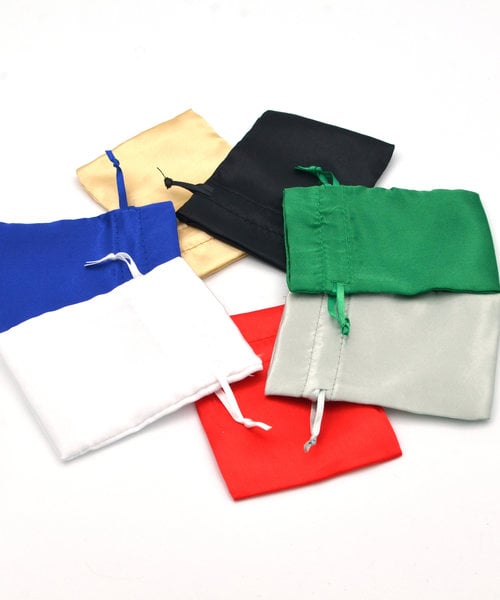
If you're just getting your seasonal tools together, our Sabbat Items collection gathers candles, simmer pots, altar pieces, and books organized around each festival on the Wheel, so you can shop by season rather than piecing a practice together one item at a time. For rituals that call for a candle dressed with oil and herbs ahead of time, our dressed spell candles are prepared for exactly that kind of focused Sabbat work.

Here in Salem, the Wheel is easy to feel in the town itself. Shop windows, seasonal events, and the general rhythm of the city shift with each Sabbat, and it's common for practitioners to build their personal calendar around what's happening locally as much as what's on the page.
Frequently Asked Questions
Do you have to be Witch to follow the Wheel of the Year?
No. While the Wheel developed out of Wicca, many Pagans, Druids, and secular practitioners follow all or part of it simply as a way to track the seasons and build ritual around nature's rhythms.
What's the difference between the Greater and Lesser Sabbats?
The Greater Sabbats (Samhain, Imbolc, Beltane, Lammas/Lughnasadh) are the older cross-quarter fire festivals. The Lesser Sabbats (Yule, Ostara, Litha, Mabon) are the solstices and equinoxes, with dates that shift slightly year to year based on astronomy.
Do the dates change in the Southern Hemisphere?
Yes. Practitioners below the equator often flip the calendar so Yule falls in June and Litha falls in December, matching their actual local seasons rather than the Northern Hemisphere dates.
Where should a beginner start?
Pick the Sabbat closest to today's date and start there. You don't need to catch up on the whole year at once. Light a candle, set an intention that matches the season, and let the next Sabbat come to you naturally.
The Wheel keeps turning regardless of where you jump in. Whatever Sabbat is closest on the calendar right now is the right place to begin.