
Lammas (Lughnasadh) Ritual Guide: First Harvest Spells & Altar Setup
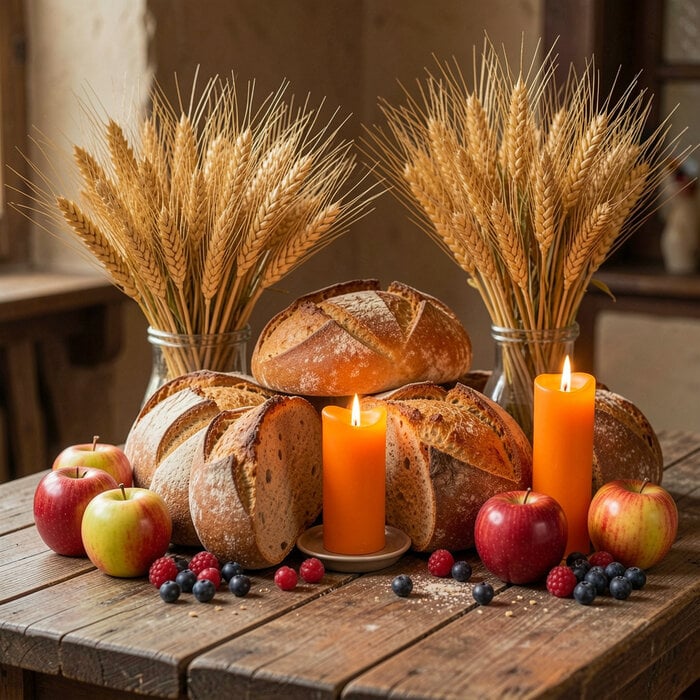
Lammas, also called Lughnasadh, falls on August 1st and marks the first harvest of the Wheel of the Year. To celebrate it, most practitioners bake or bless bread, build an altar around grain and late-summer color, and take stock of what they've grown since spring, whether that's a garden, a project, or a personal goal. It's a Sabbat about gratitude and gathering in, sitting right at the point where summer's peak starts tipping toward autumn.

What Is Lammas (Lughnasadh)?
Lughnasadh is the older Gaelic name, honoring the god Lugh, a figure in Irish mythology known for being skilled in many arts. According to tradition, Lugh held funeral games in honor of his foster mother Tailtiu, who died clearing the land for agriculture. Lammas is the later Anglo-Saxon Christian name, from "hlafmaesse" or "loaf mass," tied to the tradition of blessing bread made from the first wheat harvest.
Many modern practitioners use the two names interchangeably. Some lean toward Lughnasadh specifically to honor the Celtic and Lugh-centered roots of the holiday. Either way, the themes overlap: first harvest, gratitude, craftsmanship, and the turn toward the darker half of the year. For where this Sabbat sits among the full cycle, our Wheel of the Year guide walks through all eight festivals.
Lughnasadh Correspondences at a Glance
| Category | Common Correspondences |
|---|---|
| Colors | Gold, yellow, orange, brown, green |
| Herbs & Plants | Wheat, corn, heather, mugwort, chamomile, rosemary |
| Crystals | Citrine, carnelian, amber, sunstone |
| Symbols | Corn dolly, sickle, bread, sheaves of grain |
| Foods | Fresh bread, berries, apples, corn, mead |
Building a Lughnasadh Altar
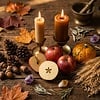
A Lughnasadh altar leans into the colors and textures of late summer. Sheaves of wheat or corn, a small loaf of bread, seasonal fruit, and a gold or orange candle all work well together on an altar cloth in warm autumn tones. If you want your candle color to reflect the specific intention behind your working rather than just the season, our guide to candle color meanings in witchcraft breaks down what each hue supports.
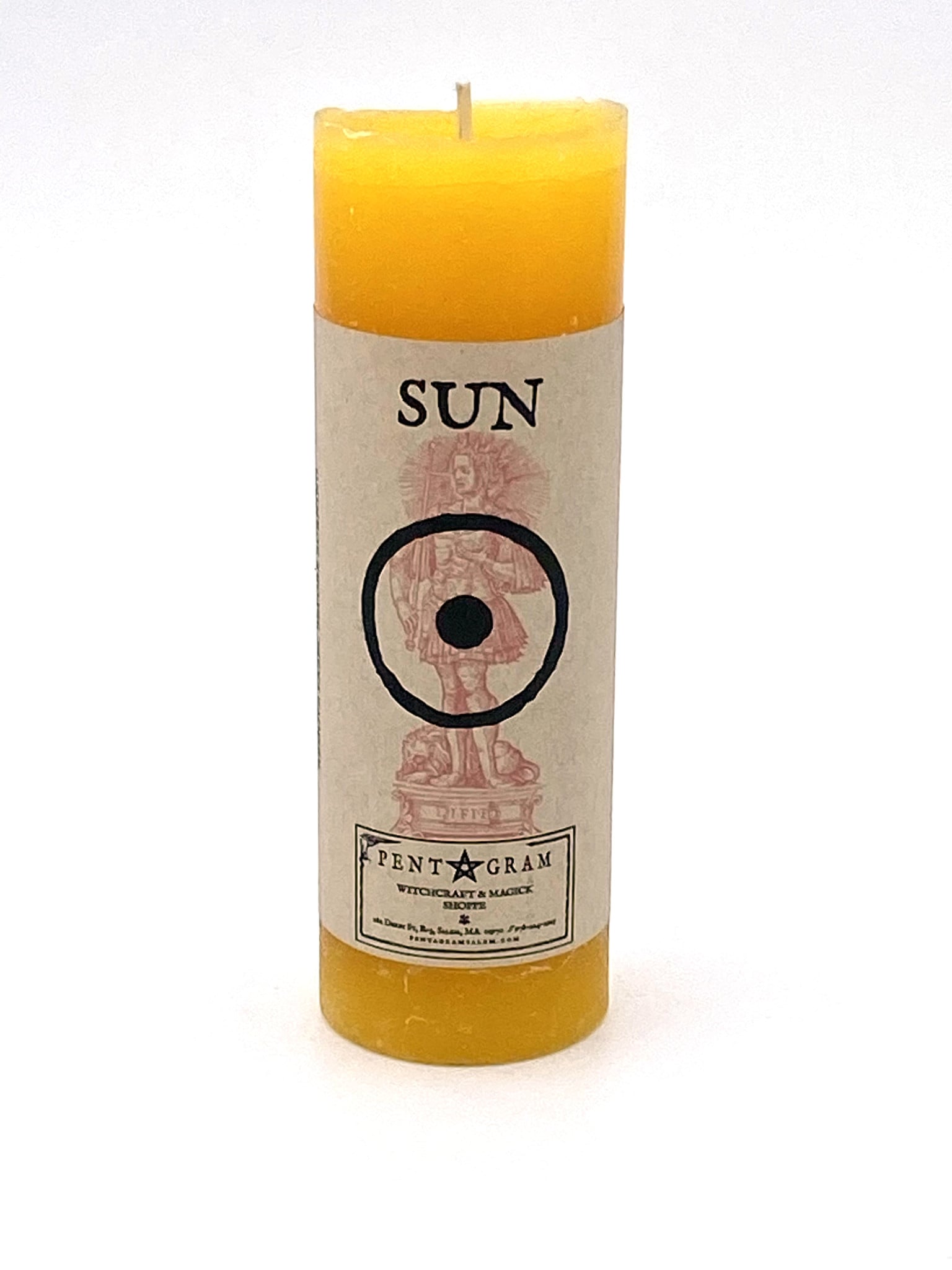
A dressed candle, anointed with an oil that matches your intention before you light it, adds another layer to first harvest altar work. Our dressed spell candles come prepared with corresponding oils and herbs so the working is ready when you are. A gold pillar candle consecrated to solar energy is also well suited to Lammas, as the Sabbat marks the sun's power just as it begins to wane.
First Harvest Rituals to Try
Bake and bless bread. Baking bread from scratch, or simply buying a good loaf, is the most common way to mark the day. Hold the bread up, say a few words of gratitude for the season's abundance, then share it with others or leave a piece outside as an offering.
Make a corn dolly. Soak corn husks or dried grass stalks in warm water until pliable, then braid them into a simple figure to represent the spirit of the grain. Traditionally kept on the altar or above a hearth until the following spring.
Take stock of your personal harvest. Lughnasadh favors reflection on what's grown since Imbolc and Ostara. Write down what you've accomplished, what skills you've built, or what's finally starting to pay off, then give it a moment of real acknowledgment.
Light a candle for the waning sun. As days start to shorten after this Sabbat, a gold or orange candle lit with a short reflection on the turning season is a simple, low-effort ritual for anyone short on time.
Host a small harvest gathering. Whether it's a full potluck or just sharing a loaf of bread with one other person, community and feasting have always been part of this Sabbat's traditions.
Simple Ways to Mark the Day
Not every Lughnasadh needs a full ritual. Picking berries, decorating with sunflowers or wheat stalks, wearing gold or green for the day, or simply setting aside a few minutes to name what you're grateful for this season are all valid ways to acknowledge the holiday without a formal setup.
Looking Back: From Litha to Lammas
Lughnasadh follows directly after Litha on the Wheel, picking up the sun's peak strength from the summer solstice and turning it toward harvest and gratitude. Our Litha ritual guide covers that earlier Sabbat if you want the fuller seasonal arc.
If you're gathering supplies for Lammas or any other point on the Wheel, our Sabbat Items collection organizes candles, altar pieces, and books by season, so you can shop for the specific Sabbat you're celebrating rather than searching the full catalog.
Frequently Asked Questions
Is it called Lammas or Lughnasadh?
Both refer to the same August 1st Sabbat. Lughnasadh is the older Gaelic name tied to the god Lugh, while Lammas is the later Anglo-Saxon Christian name focused on blessing the first wheat harvest. Many practitioners use them interchangeably.
What foods are traditional for Lammas/Lughnasadh?
Bread is the central food, along with berries, apples, corn, and mead. Root vegetables and roasted meats also fit the seasonal table.
Do you have to bake bread to celebrate?
No. Baking is the most common tradition, but store-bought bread, a shared meal, or a simple gratitude ritual all honor the same themes of harvest and thanks.
What's the difference between Lughnasadh and Autumn Equinox?
Lughnasadh is the first of three harvest Sabbats, focused on grain and gratitude. The Autumn Equinox, about seven weeks later, is the second harvest and centers more on balance and the fruits of fall.
Whatever shape your celebration takes, Lughnasadh is ultimately about pausing to notice what's ripened since spring and giving thanks before the year turns toward its darker half.