


What Is the Poison Path? A Practitioner's Introduction to Baneful Herbalism
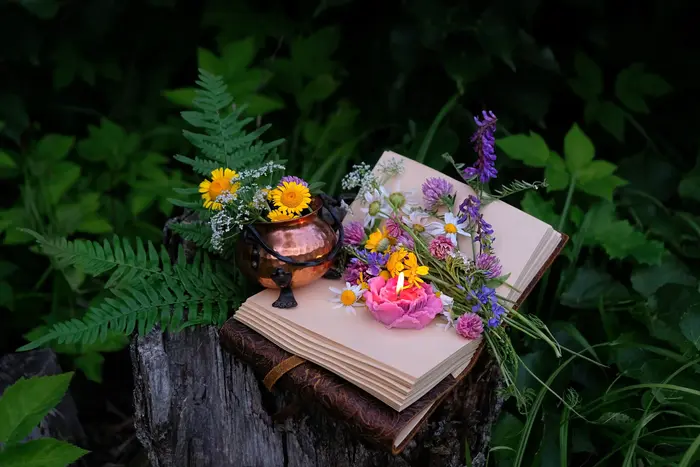
There is a branch of herbalism that most witchcraft books quietly skip over. It involves plants that are toxic, psychoactive, or deeply dangerous. Plants that have been part of European folk magick for centuries. This area is what practitioners call the Poison Path.
It is not beginner territory. Anyone curious about traditional witchcraft deserves to know what the Poison Path is, where it comes from, and how serious practitioners approach it.
What Is the Poison Path?
The Poison Path is a term used in contemporary witchcraft to describe magical and ritual work with baneful plants, herbs that are poisonous, narcotic, or associated with death; spirits; and the underworld.
These are not plants used for healing teas or kitchen magick. They include species like belladonna, henbane, datura, mandrake, and aconite. Historically, they appear in accounts of flying ointments, necromantic rites, and hedge-crossing practices across medieval and Renaissance Europe.
The term itself is modern, popularized through the work of occultists and herbalists in the late 20th and early 21st centuries. The plants and their uses, however, are not.
Where Does It Come From?
The historical roots are well documented. Baneful herbs appear in witch trial testimony, grimoires, and herbal manuals going back centuries. They were associated with witches not only because of superstition but also because knowledge of these plants, their effects, their dangers, and their ritual applications was a real and specialized form of knowledge.
Hecate, the Greek goddess of witchcraft and the crossroads, is traditionally associated with poisonous plants, particularly aconite and belladonna. In Germanic and Northern European traditions, henbane was connected to Odin and shamanic trance work. Mandrake appears in folk magick across the Mediterranean and Central Europe.
This practice is a documented part of how people interacted with the spirit world long before modern witchcraft existed.
What Does Working With Baneful Herbs Actually Mean?
For most serious practitioners today, working on the Poison Path does not mean ingesting toxic plants. Many historical applications involved topical preparations, smoke, or ritual proximity rather than consumption, and even those were dangerous.
Contemporary practice tends to focus on:
Cultivating baneful plants is: a form of relationship. Growing belladonna or henbane creates direct contact with the plant's energy without requiring physical ingestion.
Ritual use of dried material: small amounts are used in sachets, on an altar, or in spellcraft where the plant's symbolism and spiritual associations do the work.
Study and herbalism: understanding the pharmacology, folklore, and traditional uses of these plants as a way of connecting to older magical lineages.
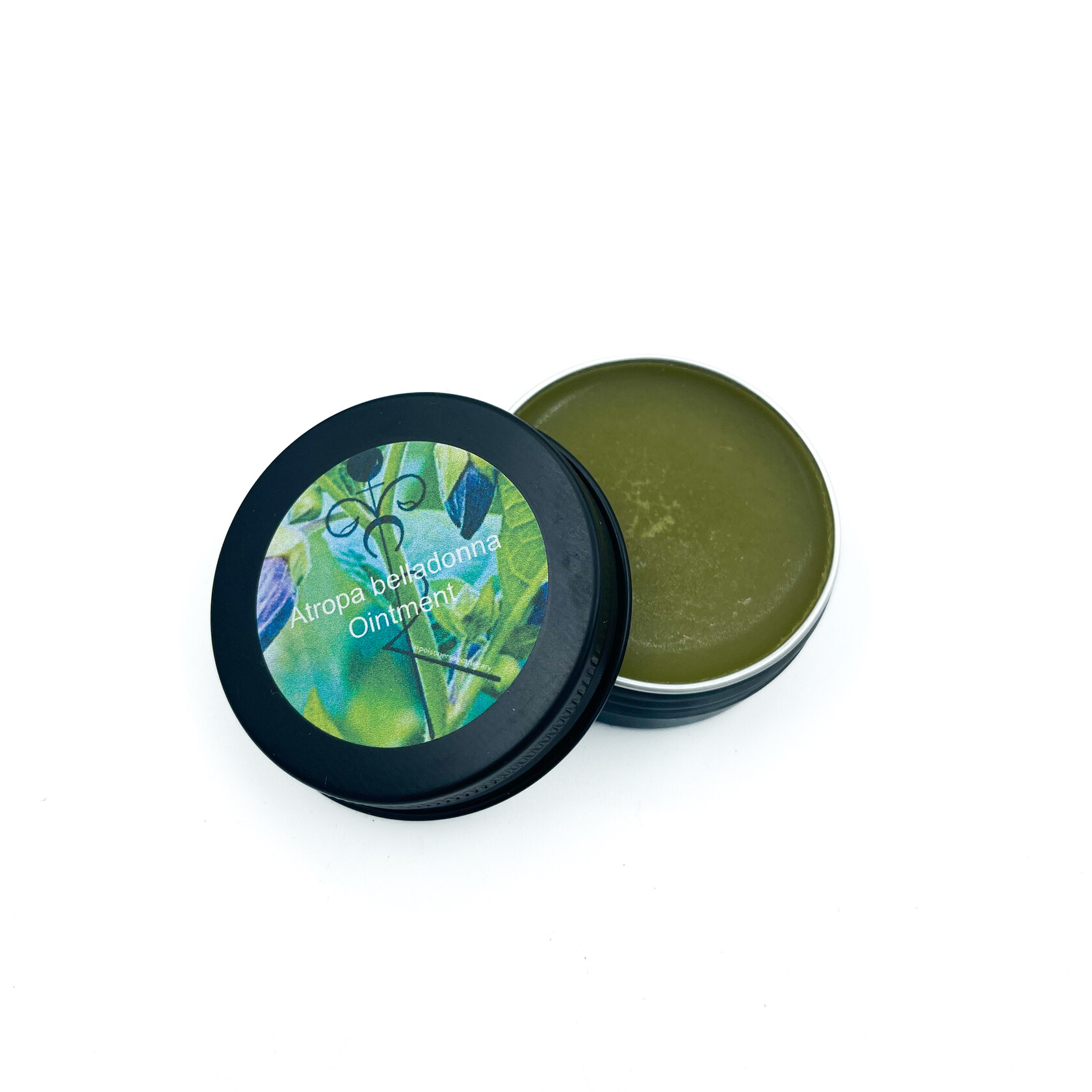
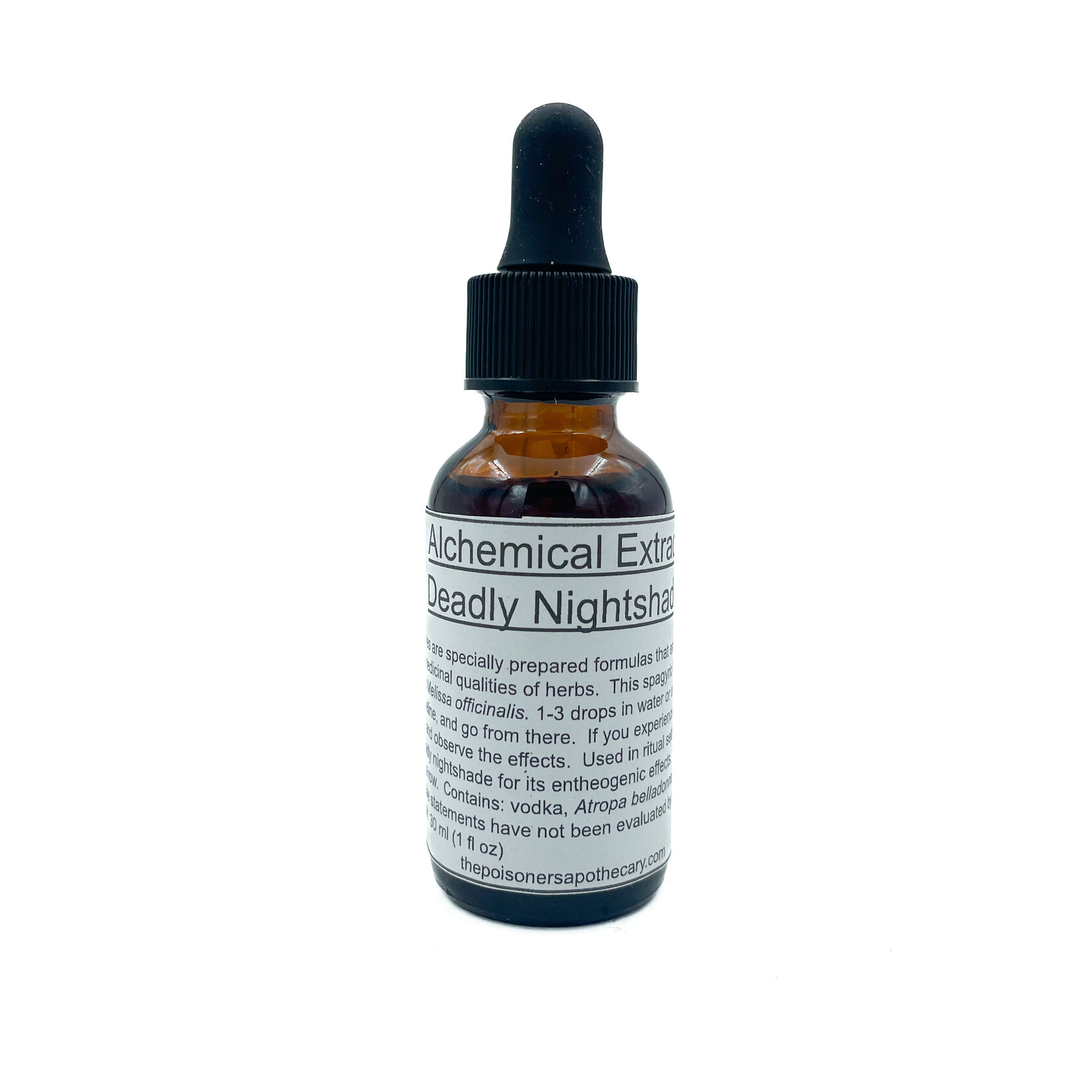
Prepared formulations: commercially made flying ointments from reputable sources, crafted by people with proper training and designed for external ritual use only.
For the material side of this work, browse The Poisoner's Apothecary at Pentagram Salem, a curated selection of traditional baneful herbs, tools, and books assembled with the serious practitioner in mind.
Safety and Ethics
These plants kill. Belladonna, datura, and aconite are responsible for documented deaths, including accidental poisonings from people who underestimated them.
Responsible practice means the following:
- Never ingesting baneful herbs without expertise well beyond general witchcraft knowledge
- Treating every plant in this category as genuinely dangerous, not romantically so
- Keeping these plants away from children and animals
- Sourcing prepared products only from people who know what they are doing
- Washing hands thoroughly after handling any dried plant material
The longest-serving practitioners in this tradition are the most careful and technically knowledgeable herbalists in occult circles, because they have to be.
Is This Path for You?
The Poison Path is not for everyone, and it does not need to be. A complete, powerful witchcraft practice can exist without any contact with baneful plants.
For those who are genuinely drawn to the Poison Path, not because it sounds edgy, but because they resonate with its history, botany, and spirit work, it is a serious and rewarding area of study. It rewards patience and a willingness to spend more time reading and observing than doing.
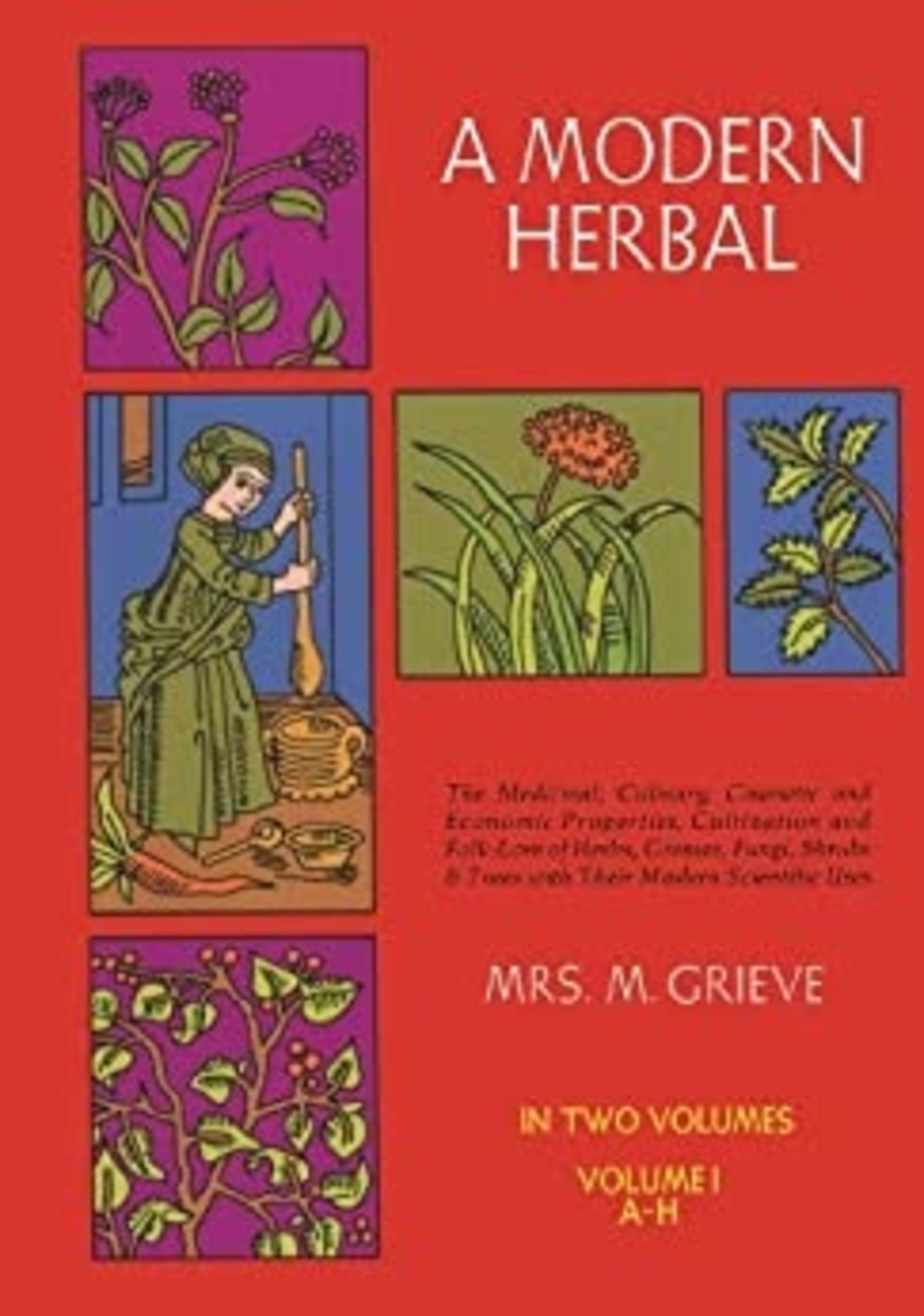
Harold Roth's The Witching Herbs and Daniel Schulke's work through Xoanon Publishing are among the most grounded resources available. Browse our Herbalism Books collection for titles covering traditional baneful herbalism and broader occult botany. For grimoires, ceremonial texts, and broader occult study, explore the full Occult Books collection.
At Pentagram Shoppe in Salem
We carry a carefully chosen selection of materials for practitioners who approach this work seriously. If you have questions about where to start, our staff are practitioners themselves, eager to point you toward the right resources before you invest in anything.
The Poison Path is old knowledge. Approach it with the respect it has always demanded.