

Working With Henbane, Belladonna & Datura: A Guide to the Classic Baneful Herbs
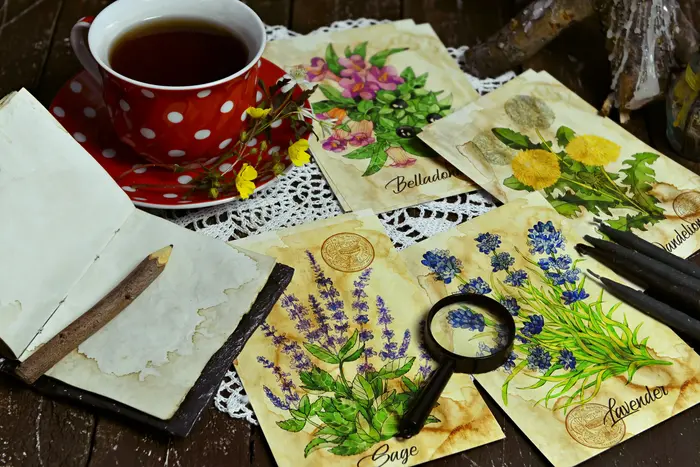
If you have spent any time reading about traditional witchcraft, European folk magick, or the Poison Path, three plant names come up again and again. Henbane, belladonna, and datura appear in grimoires, witch trial records, herbal manuals, and accounts of flying ointments stretching back centuries.
They are not interchangeable; each has its own character, history, and ritual associations, but together they form the backbone of what most practitioners think of when they talk about baneful herbalism.
This guide covers each plant's identity, historical appearance, current use by serious practitioners, and what you need to know before approaching them.
| Before you read further All three plants discussed here are toxic. Henbane, belladonna, and datura can cause serious harm or death through ingestion, and in some cases through prolonged skin contact. Nothing in this guide is medical or dosage advice. If you are new to baneful herbalism, read first, handle later — and even then, with care. |
Henbane (Hyoscyamus niger)
Henbane is one of the oldest documented magical plants in European tradition. It belongs to the Solanaceae family, the same family as belladonna and datura, and contains the alkaloids hyoscyamine and scopolamine, which produce sedative, hallucinogenic, and deliriant effects.
In Northern European and Germanic traditions, henbane was associated with Odin and with death. It was burned as incense to call spirits and used in rites connected to prophecy and trance. The plant appears in medieval herbals as a component of preparations meant to induce visions or facilitate communication with the dead.
Historically, henbane smoke was used rather than ingestion, burning the seeds or dried leaves in a closed space. Even this method is dangerous and not something to attempt casually. Contemporary practitioners who work with henbane typically do so through cultivation, dried altar use, or inclusion in ritual sachets, where the plant's presence and symbolism are the point rather than its pharmacological effects.
Henbane is also directly connected to flying ointment recipes, which appear in both trial records and later occult literature. For prepared ointments made by trained formulators, browse our Salves & Ointments collection.
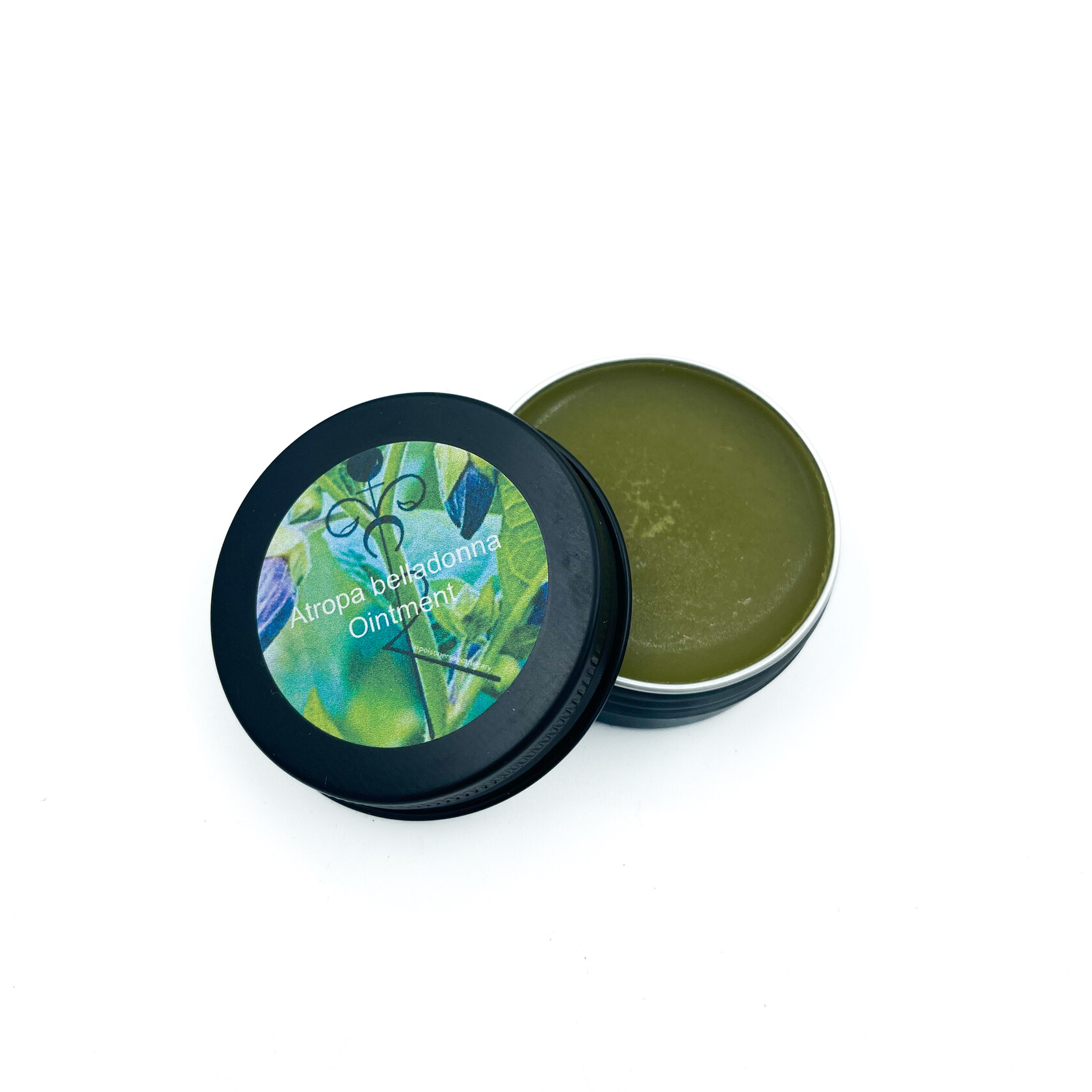
Belladonna (Atropa belladonna)
Belladonna, also called deadly nightshade, is probably the most recognizable baneful plant in Western witchcraft. Its genus name, Atropa, comes from Atropos, one of the three Fates in Greek mythology, the one who cuts the thread of life. The name alone tells you how the plant was regarded.
Belladonna contains atropine, scopolamine, and hyoscyamine. All parts of the plant are toxic. The berries are particularly dangerous because they are sweet and attractive, which has led to accidental deaths throughout history, including in children.
In magical tradition, belladonna is associated with Hecate, Circe, and other figures connected to witchcraft, transformation, and the underworld. It appears in accounts of witch ointments, in necromantic workings, and in rites meant to facilitate astral travel or spirit contact. The plant is deeply connected to the liminal, the space between states, between life and death, between worlds.
Today, practitioners grow belladonna as a garden plant, working with it through presence and relationship rather than preparation. Dried material is used on altars dedicated to Hecate or death-related workings. The plant is treated with respect rather than handled casually.
Datura (Datura stramonium and related species)
Datura, known by names including jimsonweed, thornapple, and devil's trumpet, is in many ways the most dangerous of the three. Its alkaloid content is highly variable between individual plants, between different parts of the same plant, and even between seasons. There is no reliable way to gauge potency, which has made it responsible for a significant number of accidental poisonings and deaths among people who underestimated it.
Unlike henbane and belladonna, datura has deep magical roots outside of Europe. In indigenous traditions across the Americas, it was used in initiation rites and visionary work, always under strict ritual control and with experienced guidance. In South Asian traditions, it is associated with Shiva and appears in certain left-hand path practices.
In European folk witchcraft, Datura appears somewhat later than henbane and belladonna, likely because it is native to the Americas and was introduced to Europe after contact. It was quickly absorbed into the witchcraft herbal canon given its pharmacological similarities to the Solanaceae already in use.
Contemporary practitioners approach datura primarily through cultivation and altar work. The plant's large white flowers and spined seed pods make it visually striking, and many find the act of growing and tending it sufficient for building a working relationship with the plant spirit.
What These Three Plants Have in Common
All three belong to the Solanaceae family. All three contain tropane alkaloids, primarily atropine, scopolamine, and hyoscyamine, that act on the nervous system. All three have been used historically in preparations meant to alter consciousness, facilitate spirit contact, or cross the boundary between ordinary awareness and something else.
They share a symbolic territory in witchcraft: death, transformation, the night, the underworld, and the liminal. They are plants of Hecate, of the crossroads, of what lies beyond ordinary perception. That symbolic weight is part of why they appear so consistently across centuries of magical practice.
They are also all capable of killing you. That is not separate from their magical character — it is part of it.
How to Approach These Plants Responsibly
The practitioners with the most experience in this area tend to give the same advice: go slowly, study before you handle, and treat the plants as teachers rather than tools.
Practical starting points:
- Read before you buy or grow. Understand the botany, the alkaloids, and the historical record before you work with any of these plants materially.
- Start with cultivation if you want physical contact. Growing a plant is one of the most direct ways to build a relationship with it.
- Use dried material on an altar rather than in preparations until you have significant knowledge and experience.
- Source any prepared products, ointments, incenses, or tinctures only from people with documented expertise in baneful herbalism.
- Store all baneful plant material securely, away from children, other people in your household, and pets.
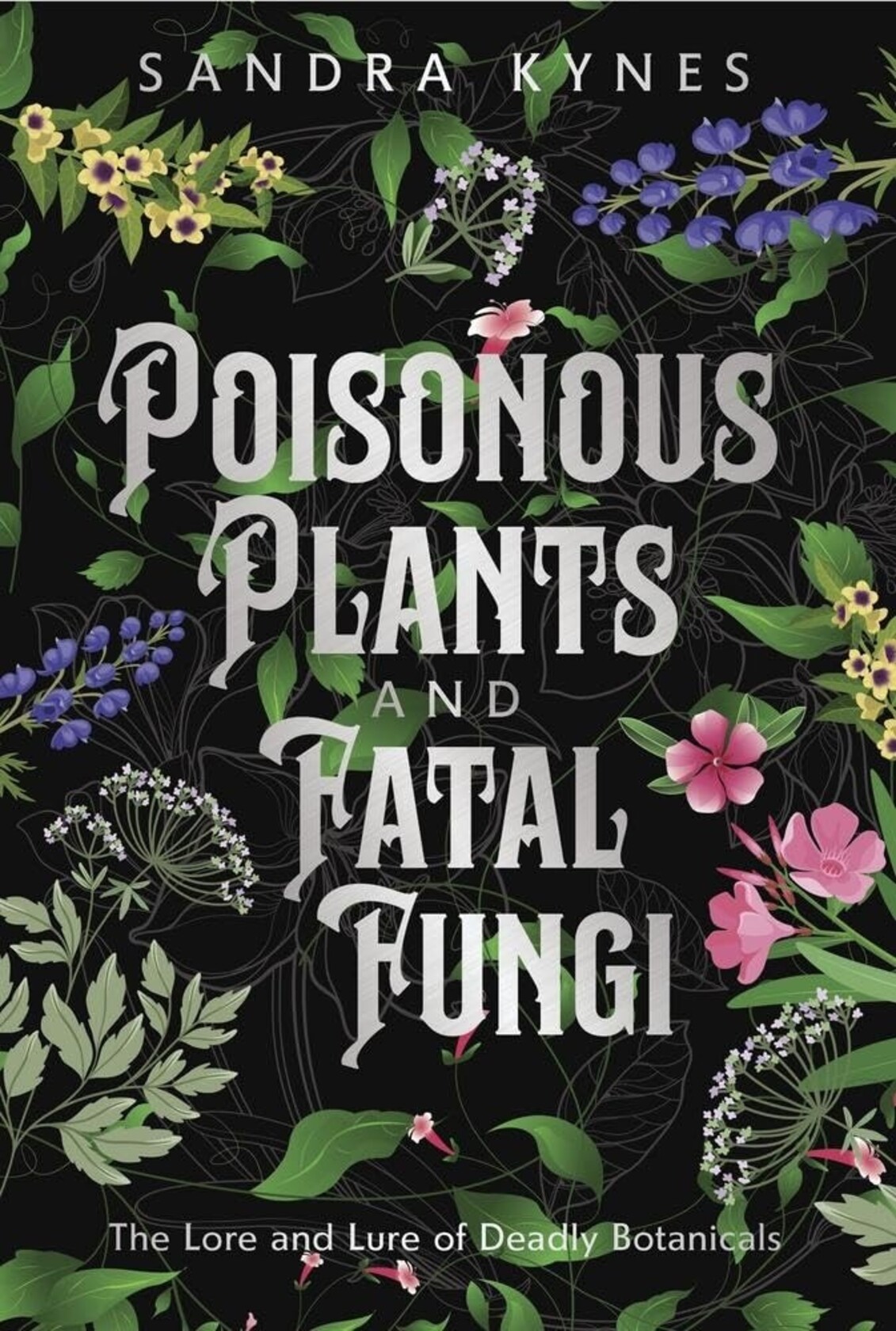
For books that cover these plants in depth, their botany, folklore, and magical use, browse our Herbalism Books collection, which includes titles from authors who approach baneful herbalism with the seriousness it requires.
At Pentagram Shoppe in Salem
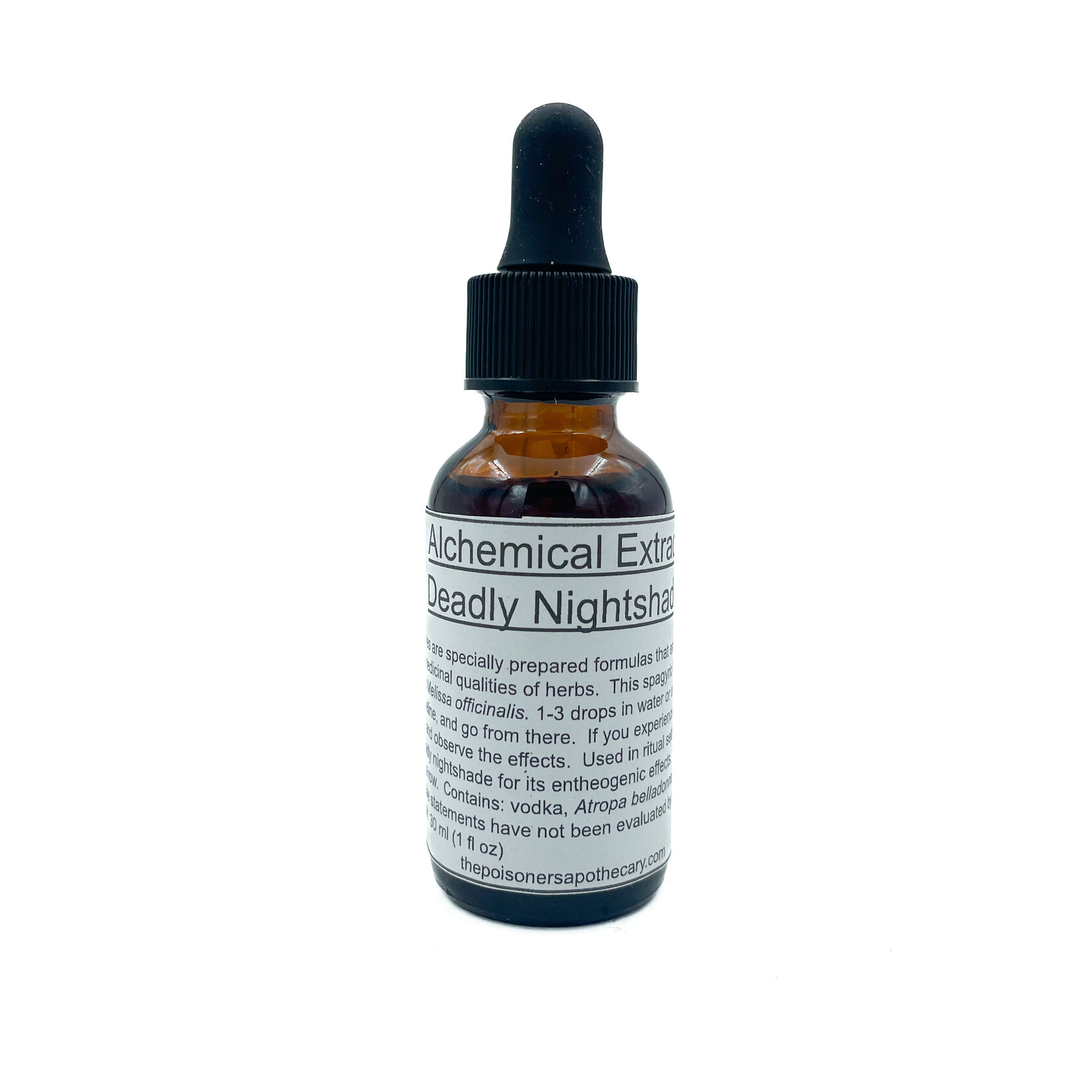
We stock a carefully selected range of baneful herbs, apothecary supplies, and related books for practitioners who approach this work with knowledge and intention. You can browse what we carry in The Poisoner's Apothecary.
If you are unsure where to begin, our staff are practicing herbalists and occultists, not just shop staff. We are happy to talk through what makes sense for your level of experience before you commit to anything.