

Spell Books for Witches: How to Choose Your First Grimoire

If you're new to witchcraft, you've probably seen "grimoire" and "Book of Shadows" used as if they mean the same thing. They don't. A grimoire is a structured reference text you study, while a Book of Shadows is a personal journal you write yourself. Knowing the difference makes it much easier to pick the right first book for where you actually are in your practice.
What Is a Grimoire?
A grimoire is a book of magical instruction. Historically, grimoires were manuals that taught readers how to perform spells and rituals, work with correspondences, and follow a specific magical system, whether that system came from ceremonial magic, folk tradition, or a documented spiritual lineage.
The word itself comes from the Old French grammaire, which originally referred to any book written in Latin. Over time, as fewer people could read Latin, the term narrowed to mean specifically a book of magic, which is roughly how it's used today.
A grimoire is meant to be read, studied, and referenced. You don't write in it so much as learn from it. Think of it less like a diary and more like a well-worn cookbook: someone else did the testing, and you're following their tested recipe.
What Is a Book of Shadows?
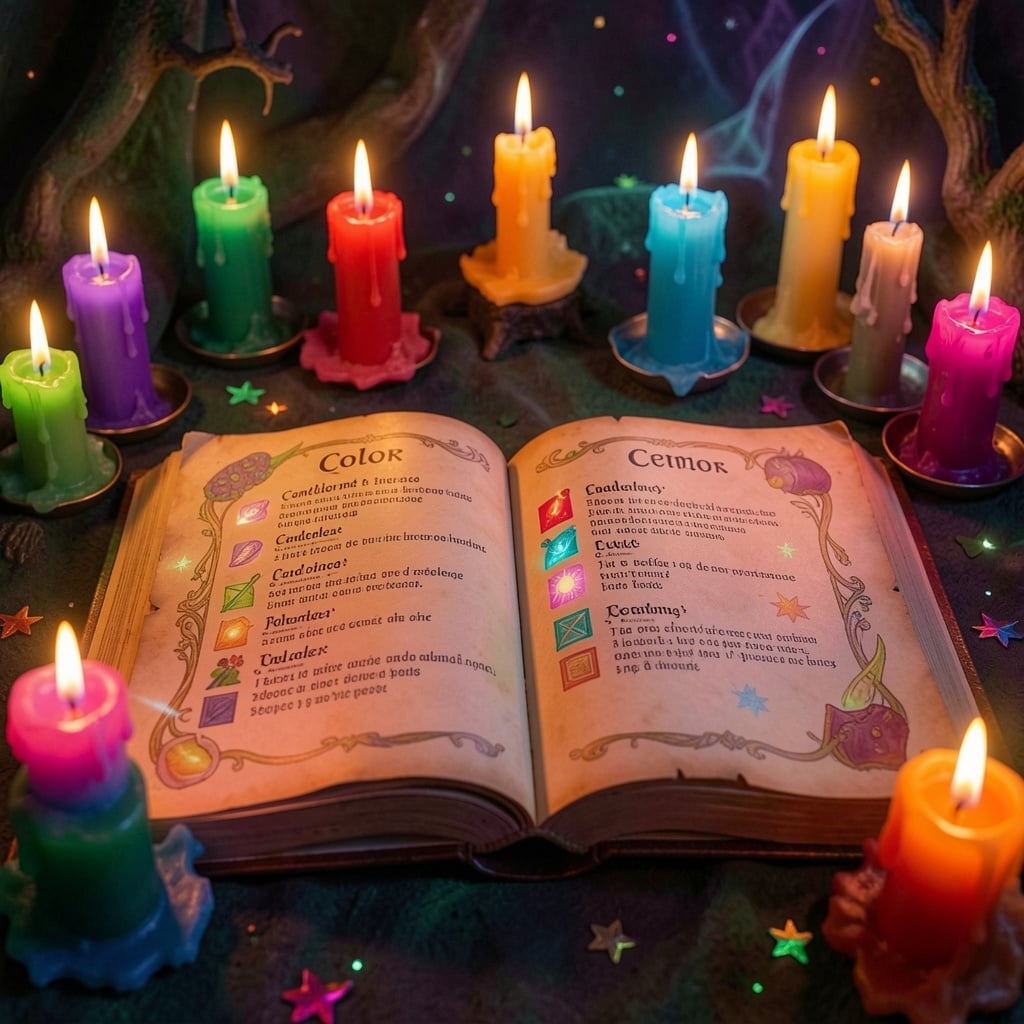
A Book of Shadows is different. It's a personal working journal where you record your own spells, correspondences, moon observations, and reflections on your practice as it develops. The term traces back to mid-20th-century Wicca, where it originally referred to a ritual text copied between coven initiates. Today, most solitary practitioners use it more loosely to mean their own ongoing magical notebook.
Where a grimoire teaches, a Book of Shadows records. Many witches keep both: a grimoire as a reference library they return to, and a Book of Shadows as a living account of their own results.

Grimoire vs. Book of Shadows: The Key Differences
| Grimoire | Book of Shadows | |
|---|---|---|
| What it is | A published, structured reference text | A personal working journal |
| Who writes it | An author, tradition, or lineage | You |
| What it contains | Correspondences, rituals, invocations, magical theory | Your own spells, notes, and reflections |
| How you use it | Study and reference | Write and update over time |
Do You Need Both?
Not necessarily, but most practitioners end up with both eventually. A grimoire gives you a foundation to work from so you're not guessing at correspondences or skipping steps that matter for a given tradition. A Book of Shadows is where you adapt what you've learned into something that actually fits your own practice. If you're just starting out, a blank journal from our Grimoires collection can serve as your Book of Shadows while you build out your reference library separately.
Choosing Your First Grimoire by Tradition
The clearest way to choose a first grimoire isn't by reading level. It's by tradition, since that determines what the book will actually teach you.
Golden Dawn ceremonial magick. These grimoires focus on structured ritual, elemental correspondences, and formal invocation. They suit readers who want a systematic, well-documented approach with a long historical paper trail.
Kabbalistic magick. Texts rooted in Kabbalah bring in the Tree of Life, Hebrew letters, and sephirotic correspondences. These are denser but reward readers who want their magical practice tied to a documented mystical system rather than an eclectic mix.
Folk magick. Folk traditions center on practical, home-based magic: herbs, candles, kitchen witchery, and seasonal work. These grimoires tend to be the most approachable starting point if you want something usable right away rather than heavily theoretical.
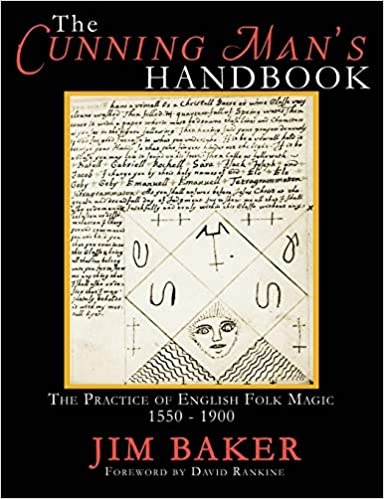
Our Spell Books collection is curated specifically around these documented traditions rather than generic modern compilations, so you can choose based on which system actually resonates with how you want to practice.
What to Look for in a Beginner-Friendly Grimoire
A few practical things separate a grimoire that will actually get used from one that ends up on a shelf.
A named tradition or lineage. Vague "universal witchcraft" books tend to be thin on real technique. A grimoire tied to a specific tradition gives you something concrete to learn.
Clear correspondences. Look for a book that explains why an ingredient, color, or timing is used, not just that it should be. That's what lets you eventually adapt spells rather than just copying them.
Content you'll realistically use. If you're drawn to protective work, a grimoire with strong sections on wards and charms, the kind of thing covered in our guide to protection spells worth recording in your own practice, will get more use than one focused entirely on ceremonial invocation. The same goes for seasonal practitioners; if you're drawn to sabbat work, a grimoire that covers the Autumn Equinox and the rest of the Wheel of the Year will serve you better than one that skips seasonal magic entirely.
Physical quality that matches how you'll use it. A grimoire you'll reference often should hold up to repeated handling. If you plan to travel with it or use it near candles and incense, durable binding matters more than an ornate cover.
Grimoire vs. Book of Shadows FAQ
What is the difference between a grimoire and a spell book?
In casual use, the terms overlap heavily. Most spell books sold today function as grimoires: published, structured texts meant to teach a system of magic rather than record personal notes.
Do all witches have a Book of Shadows?
No. Some practitioners work entirely from grimoires and never keep a separate personal journal. A Book of Shadows is a common tool, not a requirement.
Can a grimoire become a Book of Shadows?
Not exactly, though the line blurs. Some practitioners annotate their grimoires heavily enough that the two start to merge, but a true Book of Shadows is built from your own working notes rather than someone else's published text.
What should my first grimoire include?
Look for clear explanations of correspondences, a defined tradition, and enough ritual detail that you can actually follow along rather than guess. Depth matters more than breadth for a first grimoire.
Is it better to buy a grimoire or make my own?
Most practitioners do both over time. Buying a grimoire gives you a tested foundation to learn from, while building your own Book of Shadows lets you record what actually works for you as you grow.
Choosing your first grimoire comes down to picking a tradition that genuinely interests you and a text detailed enough to teach it properly. Everything else, your own notes, adaptations, and discoveries, belongs in the Book of Shadows you build alongside it.